


Henry Chu Appointed Curator of Harvard’s Nieman Foundation for Journalism
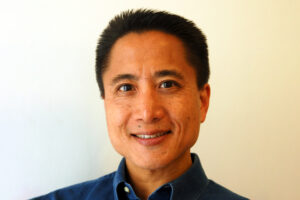
Henry Chu, a distinguished journalist, has been appointed as the curator of the Nieman Foundation…
Henry Chu, a distinguished journalist, has been appointed as the curator of the Nieman Foundation…
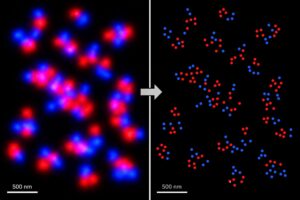
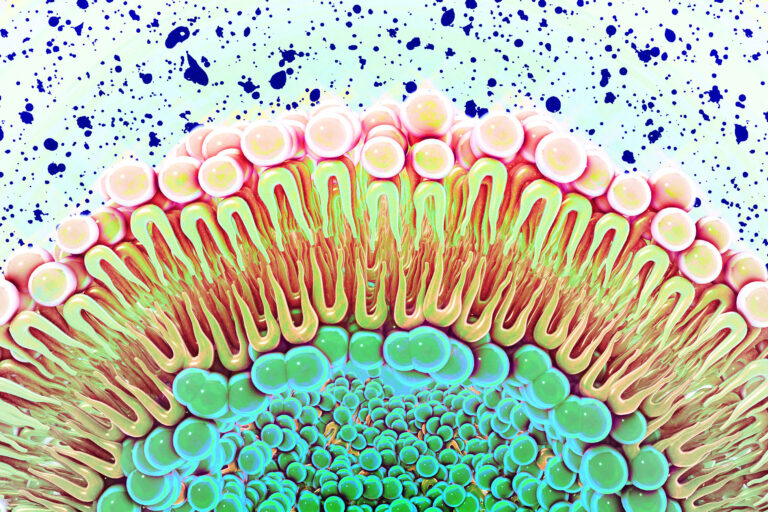
Researchers from the lab of Sam Peng, who holds the Pfizer Inc. – Gerald Laubach…

On a Wednesday during a grading cycle, I found myself entrenched in the repetitive task…

A determined professor once sat down with a word processor to craft one of their…
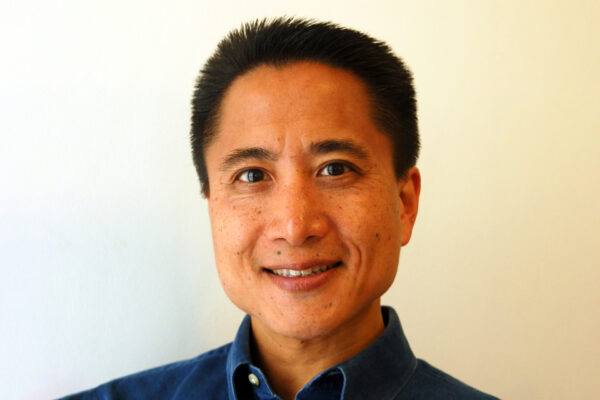
Henry Chu, a distinguished journalist, has been appointed as the curator of the Nieman Foundation for Journalism, Harvard University revealed today. “I am thrilled that Henry will be the next curator of the Nieman Foundation for Journalism,” commented University Provost John F. Manning. “His dedication to journalism and mentoring aligns with the foundation’s mission to…
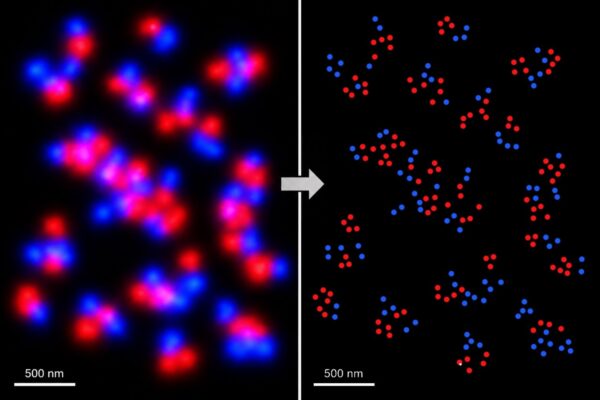
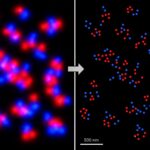
Researchers from the lab of Sam Peng, who holds the Pfizer Inc. – Gerald Laubach Career Development Assistant Professorship in Chemistry at MIT and is a key member of the Broad Institute of MIT and Harvard, have invented a revolutionary super-resolution imaging method. This technology allows for the visualization of molecular structures with sub-angstrom precision,…

On a Wednesday during a grading cycle, I found myself entrenched in the repetitive task of providing feedback on a stack of papers. Each required the same clarifications on APA formatting and thesis coherence. By the afternoon, I was in a grading trance, mechanically moving through the process of reading, commenting, and encouraging. To stay…

A determined professor once sat down with a word processor to craft one of their most crucial tools: the syllabus. In course design, the aim is to impart knowledge that is both educational and relevant. This involves integrating objectives, activities, and assessments, along with rubrics and references, to form the foundation of learning. Over time,…
Media and legal professionals are debating the unease people feel about using advanced technology as society grapples with setting limits. Sarah Newman is gathering secrets about AI usage. At events, she offers a wooden box for people to anonymously share how they use the expanding technology. One person admitted to using AI to write a…
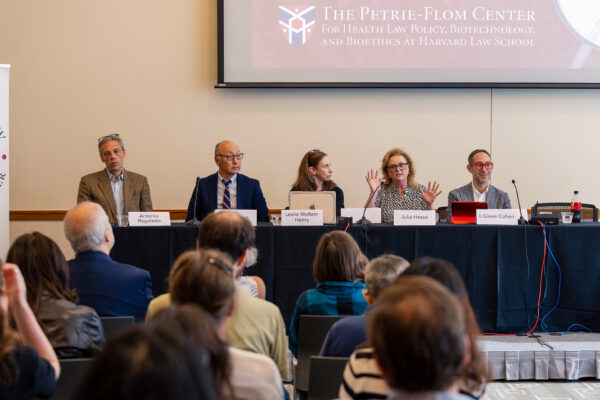
In the United States, over a million frozen embryos exist, sparking numerous ethical and legal questions. Experts discussed these complex issues during a Petrie-Flom Center event on embryo law and ethics. Leslie Meltzer Henry, a law professor, noted that since 1980, more than 500 cases involving frozen embryos have been brought to state courts, often…
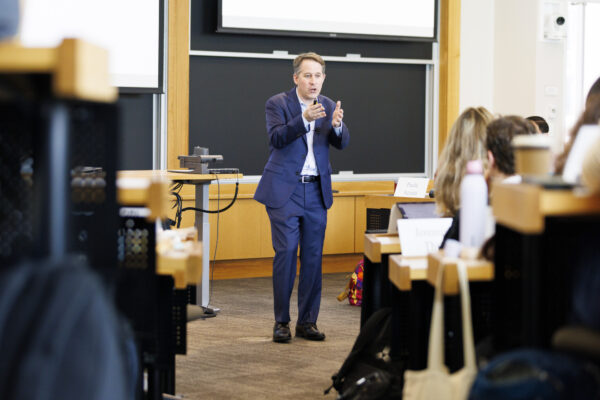
Artificial intelligence is set to transform numerous aspects of our lives, including leadership approaches. Jeremy Weinstein, dean of Harvard Kennedy School, emphasized the wide-reaching impact of generative AI on public and social sectors, stating that educational programs must adapt to this change. The Kennedy School recently introduced a 10-year strategic plan focusing on technology’s potential…
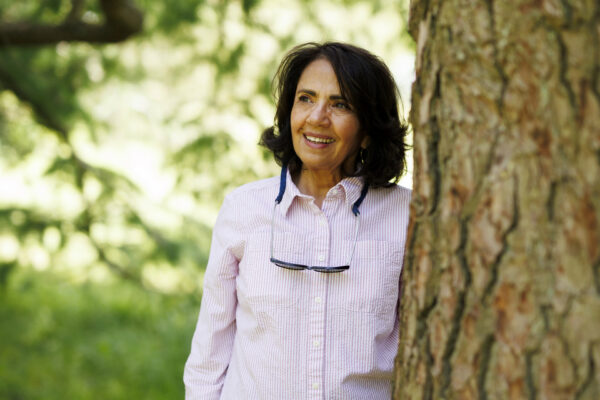
Taking a walk in nature may help alleviate stress, according to growing scientific evidence. Studies suggest that time in nature not only reduces stress and depression but also enhances the immune system, cognitive function, sleep quality, and cardiovascular health. Susan Abookire, an assistant professor at Harvard Medical School, conducts forest therapy walks for medical staff…
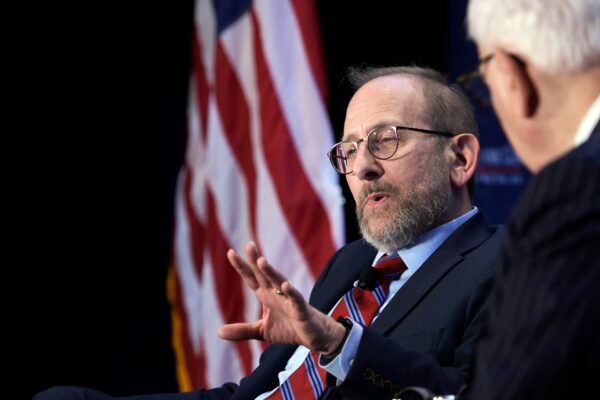
Harvard President Alan Garber expressed concerns on Thursday about recent federal policy changes that could hinder America’s ability to attract top international students and scholars. Speaking at The Economic Club of Washington D.C., Garber highlighted that these shifts might deter the global elite from engaging in research and study in the U.S. Garber emphasized the…
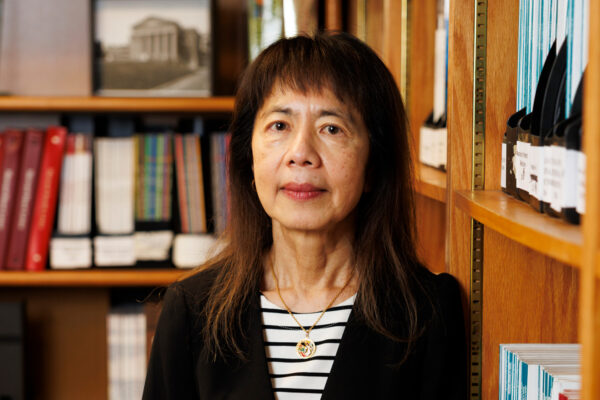
Health researcher I-Min Lee, who grew up surrounded by laborers, now investigates the impacts of inactivity. At Harvard, she has authored numerous studies on exercise and heart health, contributing to large-scale projects like the Harvard Alumni Health Study and the Women’s Health Study. Lee, an epidemiologist specializing in physical activity, often felt out of place…