





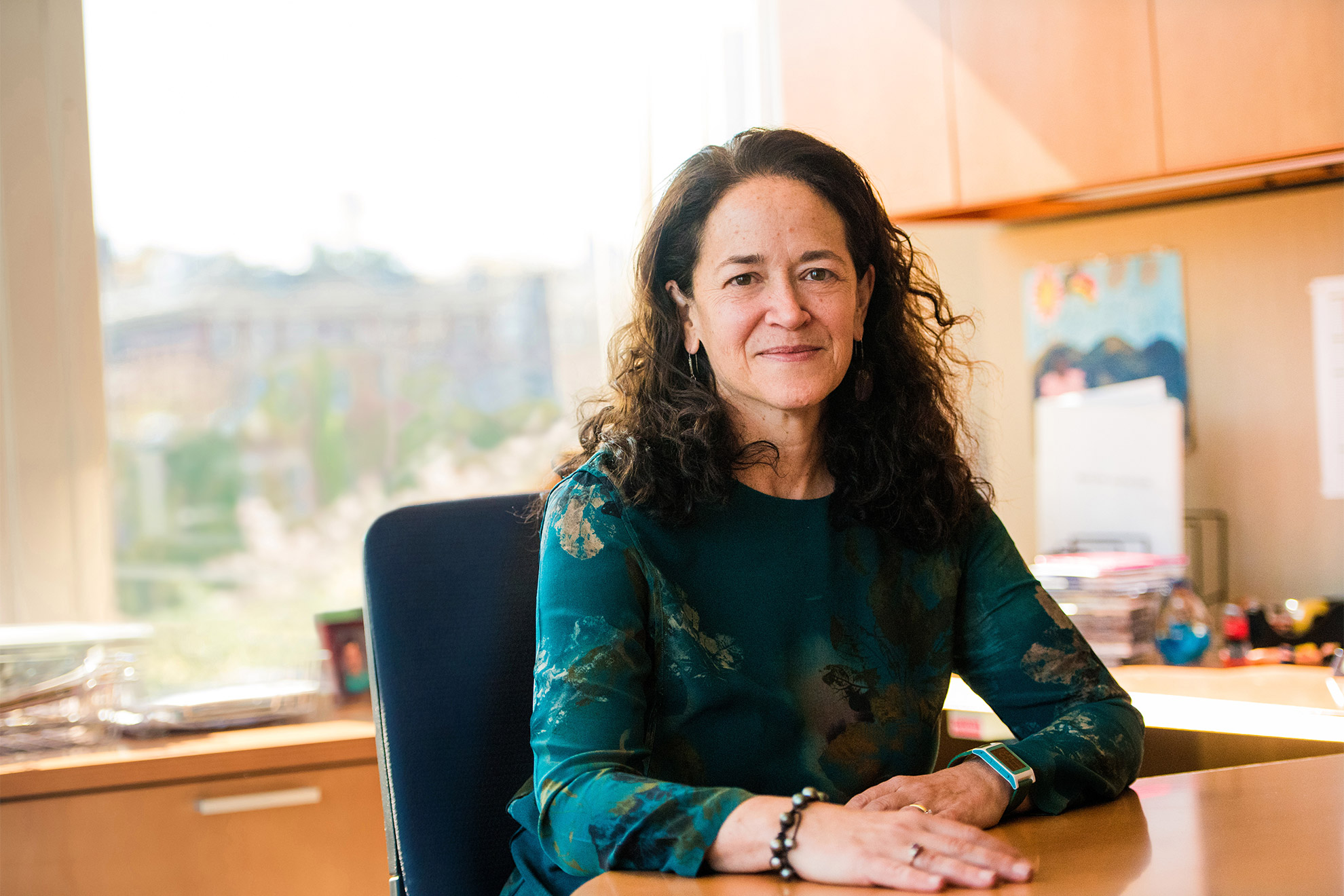
Merit Cudkowicz has dedicated three decades to ALS research and immediately knew who to inform about the new breakthrough. “The first person I called was the husband of my very first [ALS] patient, when I was a fellow,” she stated. His wife was diagnosed at 44 with the aggressive A4V variant of ALS. Over the years, there were numerous trials and progress, but nothing groundbreaking, until now.
A recent study in JAMA Neurology revealed that a new drug, tofersen, can significantly slow and even reverse ALS in a small group of patients with a rare genetic variant. This development provides a new hope for both patients facing paralysis and death and researchers who have long battled the disease. Cudkowicz, a co-author of the study, described the data reveal as “the best day” in her ALS research career, stating, “It tells the whole field that this illness can be stopped.”
The breakthrough came after years of gradual progress, involving nearly two dozen researchers from eight countries. Eleven contributors are based in Boston or Cambridge, including Biogen, the biotech company marketing the drug as Qalsody. Cudkowicz, who leads the Sean M. Healey and AMG Center for ALS, has been involved since the beginning. “I think it was in 2010 that Tim called me,” she said, referring to Timothy Miller, the study’s lead author.
ALS, though rare, is a frightening disease that gradually disables motor neurons, leading to loss of mobility, speech, swallowing, and eventually breathing. The disease can progress rapidly or over decades, with some cases being inherited and others sporadic. Despite being identified over 150 years ago, ALS has remained incurable, with medical science only managing its effects.
Cudkowicz co-founded the Northeast ALS Consortium in 1995, which has evolved into a global hub for ALS drug trials. The development of tofersen was challenging, as it is an antisense oligonucleotide that targets the SOD1 gene, known for producing toxic proteins that damage neurons. Initially, animal studies showed toxicity, delaying human trials, but the FDA approved a refined version in 2023.
The drug’s benefits are limited to patients with the rare SOD1 genetic subtype of ALS. The FDA estimated fewer than 700 Americans might be eligible. The treatment is costly, ranging from $150,000 to $180,000 annually, but Massachusetts has secured insurance coverage for patients. However, this is not consistent across states and countries, making access difficult in some regions.
Currently, tofersen therapy involves monthly spinal infusions. Despite these challenges, the Healey Center staff refer to their tofersen program as “our happy clinic,” where some patients experience significant recovery. In addition to these individual successes, tofersen’s development has broader implications for ALS research, particularly with the use of the neurofilament light chain as a biomarker.
This biomarker can accelerate research by providing a measurable and predictive index, potentially reducing drug development costs. New companies are now exploring less-invasive drug administration methods. Researchers have also begun trials to assess tofersen’s effectiveness in more common cases of “sporadic” ALS.
Tofersen is most effective when given early, prompting Cudkowicz’s team to collaborate with the University of California, San Francisco, to study skin samples for early intervention candidates. This avoids the need for spinal biopsies, allowing for quicker and broader action.
The personal impact of this medical advancement is profound. Cudkowicz expressed her eagerness to inform her former patient’s family, saying, “I just wanted him to know that it finally happened” — the closest advancement towards a cure for ALS.
Original Source: news.harvard.edu