





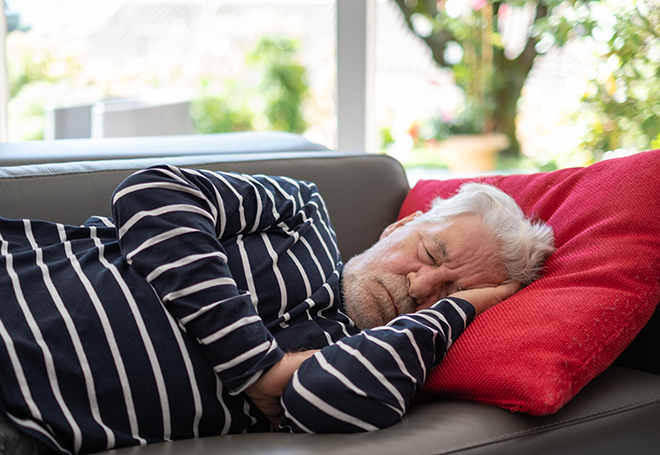
A new study suggests a connection between certain sleep patterns and increased mortality among older adults. While occasional naps, such as dozing off while watching TV or a brief rest after lunch, are not concerning, frequent drowsiness at breakfast despite a full night’s sleep could indicate deeper health issues, according to researchers from Mass General Brigham.
In collaboration with Rush University Medical Center, the study associates excessive napping in older individuals with higher mortality rates, hinting at underlying health problems. Chenlu Gao, lead author and researcher in the MGB Department of Anesthesiology, emphasized the potential predictive value of napping for mortality among seniors.
The research utilized data from the Rush Memory and Aging Project, which began in 1997 to study cognition and neurodegeneration in older adults in northern Illinois. Starting in 2005, participants wore wrist monitors for 10 days to gather detailed information on nap duration, frequency, and variability.
Gao noted the study’s strength in objectively measuring nap patterns rather than relying on self-reports. Initial findings showed no strong link between mortality and napping within or below the age group’s average — just under an hour for those mainly in their early 80s.
By 2025, researchers analyzed up to 19 years of follow-up data from 1,338 participants over 56. They discovered that longer and more frequent naps correlated with higher mortality risk. Each extra hour of napping per day increased mortality risk by about 13%, while each additional nap increased it by 7%.
Gao clarified that naps do not directly cause negative outcomes but may indicate underlying health conditions. For example, frequent daytime naps without obvious symptoms might signal an unrecognized illness.
The study also found that morning napping posed a 30% higher mortality risk compared to early afternoon naps. Researcher Ruixue Cai suggested that socially and physically active individuals might nap less due to lower levels of depression and anxiety.
Occasional naps should not cause concern, as long as they are limited to 20 minutes and completed by mid-afternoon to avoid disrupting nighttime sleep. Gao highlighted that this study is not a substitute for medical advice and suggested future research could explore long-term nap interventions to determine their impact on health.
Original Source: news.harvard.edu