









A Wednesday afternoon found me entrenched in grading, immersed in a cycle of providing individualized feedback. Each paper required the same clarifications on APA formatting, thesis coherence, and differentiating analysis from summary. By the seventh time of noting, “This section would benefit from clearer synthesis,” my mind began to operate mechanically.
Mid-afternoon marked my descent into a grading trance, a repetitive cycle of reading, assessing, commenting, and encouraging. This routine, both calming and numbing, kept the process moving but sapped creative energy. To counteract this, I turned to my AI assistant, a tool that I rely on for structure and clarity, while I provide context and nuance.
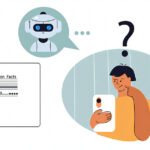
However, this Wednesday took a different turn. My brain, drained from grading, produced clipped, mechanical sentences. Surprisingly, the AI responded with vibrant imagery and metaphor, roles we had unexpectedly swapped. This unexpected shift snapped me out of my grading monotony.
The moment was not just about AI’s ability to create metaphor but highlighted my departure from my usual teaching style. Typically, I use analogies and stories to help students grasp complexity. Yet fatigue had dulled this aspect of my teaching, leaving room for the AI to step in, filling the gap I left open.
This experience underscored that teaching is a mindset, and under pressure, we can involuntarily slip out of it. The role reversal illustrated how we can become stuck in routines, losing the creative edge that defines our teaching identity.
Reflecting on this, I understood the broader implications for teaching. As educators, we often fall into habits, relying on cognitive shortcuts to manage workload. Yet, unexpected events, like a student’s question or an AI’s creative output, can jolt us back to our pedagogical core.
The AI didn’t teach in a traditional sense but helped me rediscover my teaching essence. This role reversal taught me practical lessons on working with AI without losing one’s identity.
Recognize when fatigue turns your feedback mechanical. If AI reflects back your narrowing voice, it might be time for a break. Let AI restore your teaching voice, not replace it, and treat it as a cognitive partner to help regain your full teaching stance.
Incorporate pauses in your workflow. If AI begins sounding more like you, it’s a signal for a rest. These practices ensure AI enhances rather than diminishes the meaningful aspects of teaching.
My takeaway was that tools only disrupt us if we let them. During a long grading day, the AI didn’t replace my role but reminded me of it, nudging me back to my imaginative teaching stance. This experience affirmed that good teaching requires presence and imagination.
Sherrie Myers Bartell, PhD, instructs MBA students at the University of the People and is Chief of Administration and Policy Analysis at Bartell Chiropractic Center. She explores the evolving relationship between educators and AI, focusing on maintaining presence and imagination.
Original Source: facultyfocus.com