






Psychiatrists have traditionally used transcranial magnetic stimulation (TMS) to treat depression by delivering magnetic pulses to stimulate neurons. Recent research suggests they can now refine this approach to target specific symptoms, opening doors for more precise treatments. In a series of studies, including one published in Nature Molecular Psychiatry, researchers stimulated two brain circuits in individuals with moderate to severe symptoms of both anxiety and depression. While both circuits alleviated depression symptoms, the new target also significantly improved anxiety symptoms, indicating its potential as a treatment for patients with both conditions. This marks the first success in selectively improving anxiety symptoms through targeted TMS.
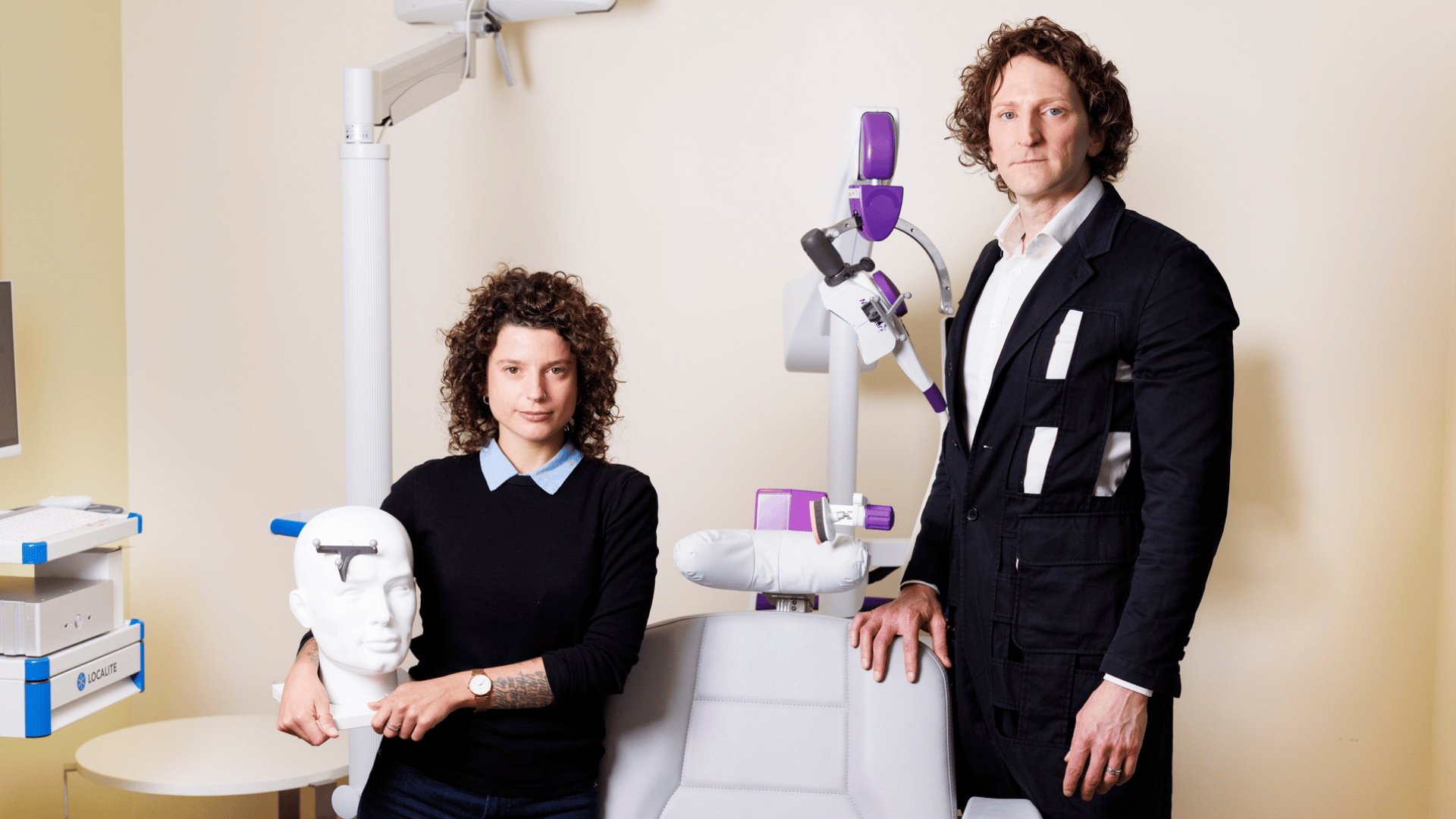
Joseph Taylor, lead author of the Molecular Psychiatry paper and assistant professor of psychiatry at Harvard Medical School, highlighted the importance of this trial. “Up to half of people with one psychiatric illness also meet criteria for another,” he noted, emphasizing the trial’s contribution to precision medicine. The goal was to address different symptom clusters by targeting distinct brain circuits.
TMS is a recognized treatment for major depressive disorder, particularly when other therapies fail. However, its application has been imprecise, with clinicians often targeting brain regions based on scalp measurements, leading to incidental variation. Previous research linked symptom changes to specific brain region stimulations. Patients receiving stimulation at the dorsolateral prefrontal cortex saw improvements in depressive symptoms, while those targeted at the dorsomedial prefrontal cortex experienced relief from certain “anxiosomatic” symptoms like irritability and insomnia.
Samantha Baldi, a visiting fellow in psychiatry at Brigham and Women’s, explained that the two circuits were identified without preconceived notions of brain function. The new research demonstrated that these circuits could be intentionally targeted for symptom-specific outcomes, although the findings require cautious interpretation due to the small sample size.
In the study, 36 patients meeting FDA criteria for TMS for depression and reporting moderate to severe anxiety were randomized to receive stimulation at either the standard or novel site, undergoing 30 daily treatments. The changes in depression versus anxiety symptoms differed significantly between the two groups, supporting the potential of brain circuit imaging in clinical practice. However, researchers still question why the treatment works, as symptom improvements did not correlate with changes in brain circuit connectivity.
Taylor acknowledged the limitations in understanding treatment mechanisms but stressed the growing recognition of brain stimulation as a promising area in psychiatry. He noted, “We are starting to understand how to use our current tools more effectively,” suggesting that the potential for this field is vast.
Original Source: news.harvard.edu