




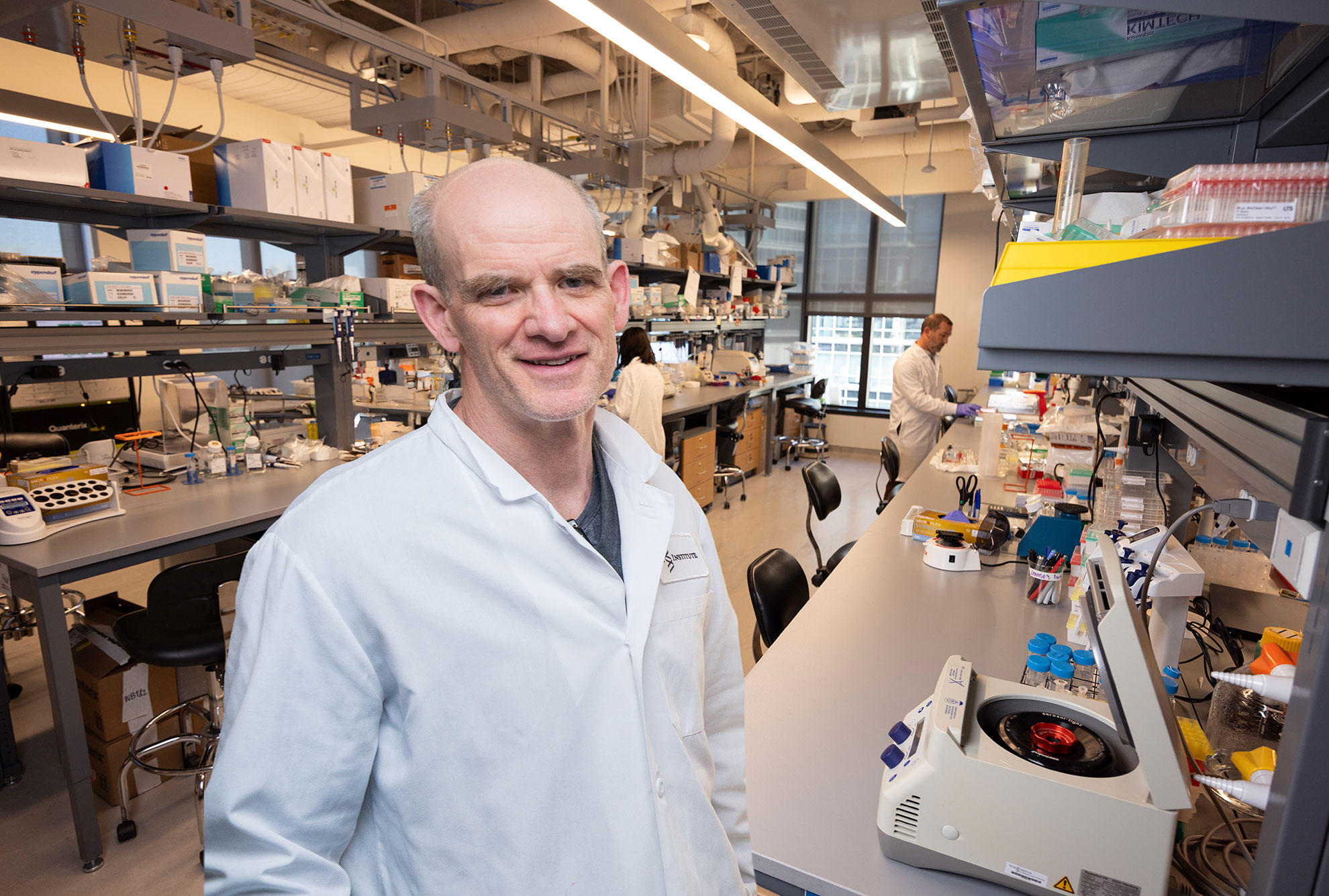
David Mooney, seen in his lab, spearheaded a research team at Harvard’s Wyss Institute, focusing on on-demand living therapeutics. The new “Implantable Living Materials” (ILM) platform could revolutionize how microbial medicines are deployed in the future. As of May 14, 2026, this innovation suggests that patient recovery from severe conditions could improve by targeting drug delivery directly to affected areas in the body.
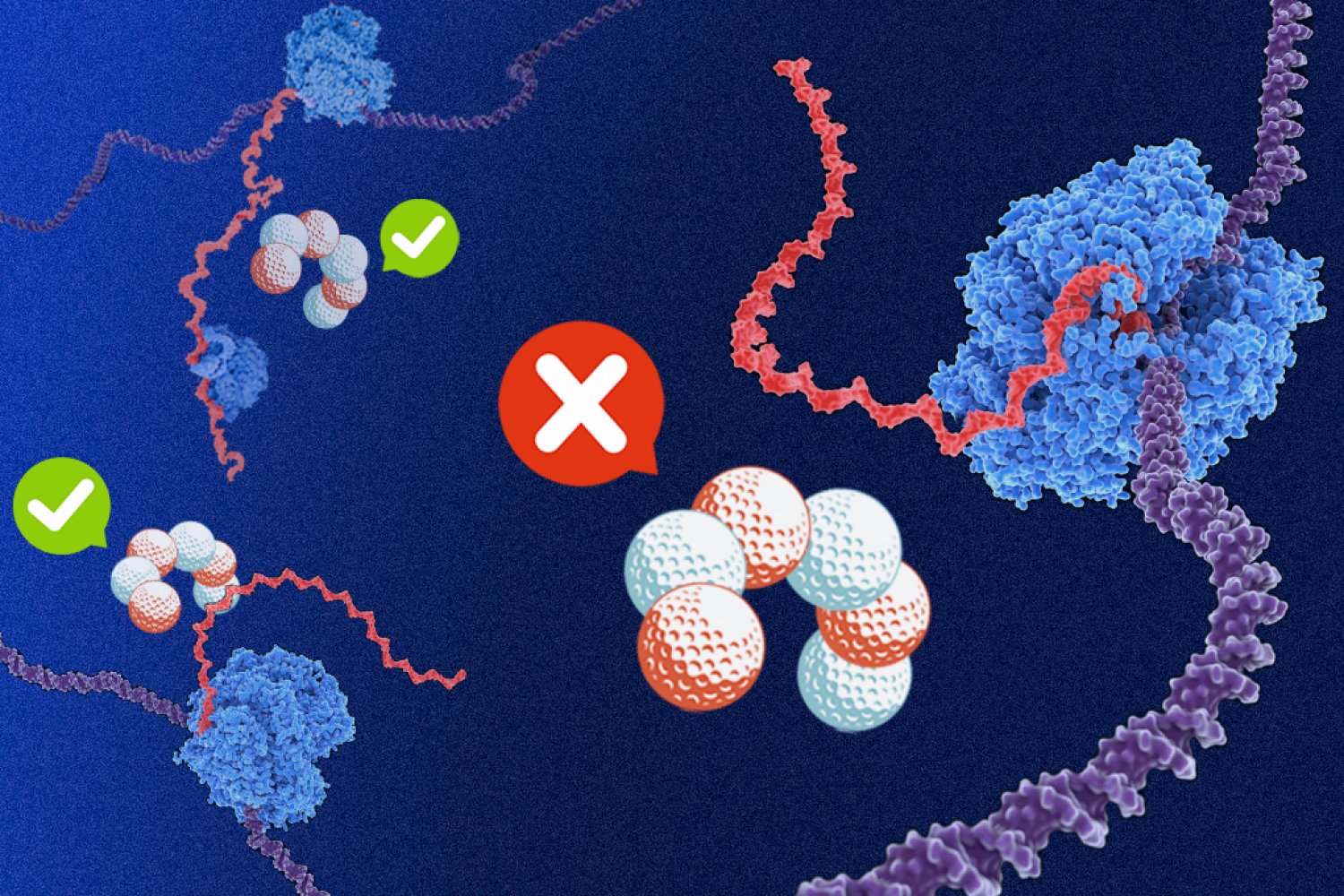
The ILM platform incorporates engineered living cells that detect injury or disease conditions and produce necessary therapeutic molecules. Bacteria are promising candidates due to their ability to survive in challenging environments like infected tissues and tumors. Despite some microbial therapies entering clinical trials, success was limited by the inability to confine microbes to specific body sites.
The team, led by David Mooney, developed a biomaterial that encapsulates a genetically engineered strain of E. coli, controlling its growth and withstanding mechanical stresses. This E. coli was designed to detect Pseudomonas aeruginosa infections and release molecules to eliminate the pathogens. Implanted in mice, the ILM effectively addressed infections adjacent to specialized orthopedic implants, with findings published in Science.
Mooney highlighted the potential of combining engineered materials and microbes to create a platform for microbial medicines. The ILM strategy offers precision, safety, and therapeutic durability that could outperform other drug delivery methods. This approach turns ILMs into autonomous drug delivery devices.
First-author Tetsuhiro Harimoto explained the team’s goal to design a material that safely contains drug-delivering bacteria while allowing therapeutic drugs to reach necessary sites. The challenge was creating a material that was both strong enough to contain bacteria and tough enough to withstand external stress.
The team used polyvinyl alcohol (PVA), forming nanoscale crystalline domains to constrain bacteria while allowing soluble molecules to move. The ILM maintained bacterial containment over six months and resisted mechanical stress. To demonstrate ILMs, the team focused on infections from periprosthetic fractures.
Harimoto noted that when a therapeutic ILM was attached to an infected periprosthetic device and implanted in mice, it significantly reduced pathogens while containing the engineered bacteria. In contrast, a non-therapeutic ILM failed to control bacterial growth, proving the therapeutic ILM’s ability to sense and treat infections autonomously.
Researchers believe ILMs have vast potential as a new class of therapeutics with excellent safety and targeted drug release capabilities. They foresee applications in tissue regeneration and immune modulation across various diseases. A patent application has been filed for using ILMs in drug delivery.
Original Source: news.harvard.edu