




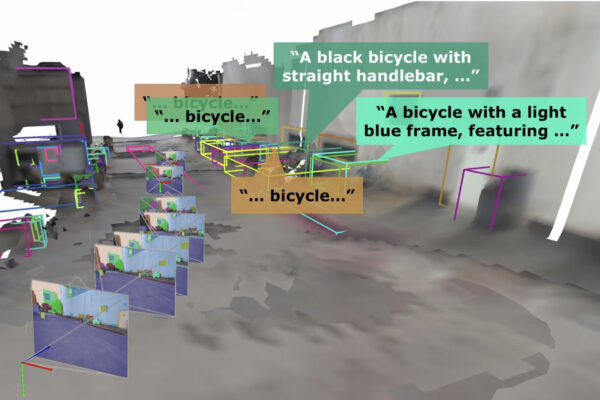
MIT explores AI technology to help locate misplaced items

A factory worker can easily recall where she stored a partially assembled component the previous night and retrieve it quickly. However, robots working alongside her face challenges in developing similar “spatiotemporal” memory. MIT researchers have now created a long-term memory system that enables robots to quickly form and recall detailed mental models of complex, large…

Read More

Faculty Focus: Strategies for Transforming Challenges with Difficult Students into Opportunities

Educators, whether teaching in person or online, often encounter challenging students. While “difficult” may sound harsh, students typically do not aim to disrupt. Issues arise when students’ communication styles or expectations clash with the learning environment. By changing our perspective on these students and using effective strategies, educators can turn conflicts into educational opportunities. Today’s…

Read More

Faculty Focus: Integrating SDGs into Courses with a Competency-Based Approach

Educators in higher education are increasingly acknowledging the benefits of incorporating the UN Sustainable Development Goals (SDGs) into their teaching. Many hesitate due to the misconception that doing so necessitates a complete curriculum overhaul or requires specialized knowledge in sustainability. However, effective integration can be straightforward, aligning with existing teaching methods like active learning, reflective…

Read More

MIT researchers develop fluorescent nanosensor for rapid gut health biomarker detection

An international research team has created a new fluorescent nanosensor using carbon nanotubes, capable of quickly identifying a biomarker associated with gut health and disease. This advancement may lead to more rapid and accessible testing for gut health. The biomarker, indole-3-propionic acid (IPA), is a metabolite formed by gut bacteria during the breakdown of dietary…

Read More

MIT Researchers Develop Method to Differentiate Quantum System States

Scientists globally are striving to create advanced quantum systems for sensing, communication, computing, and control that could surpass conventional technologies. Developing stable and discernible quantum states, which are crucial for these systems, poses significant challenges. Quantum states have unique traits that can be used to build new information processing systems, but achieving stability and distinguishability…

Read More

Harvard News Celebrates ‘True Superstars’ in Latest Feature

Harvard employees who have shown exceptional service were recognized in a ceremony at Sanders Theatre. On Thursday, 71 staff members were honored as Harvard Heroes, celebrated by family, friends, and colleagues. They were chosen from over 1,000 nominations, with department heads applauding their achievements. President Alan M. Garber commended their dedication amidst challenges, highlighting their…

Read More

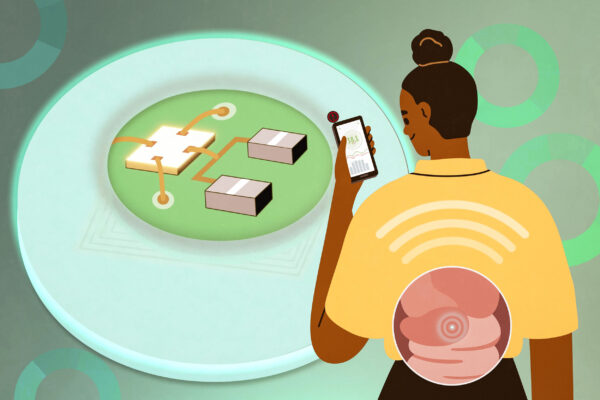
MIT Develops Tiny Ingestible Sensor to Measure Internal Body Temperature

Traditionally, temperatures are measured using oral or forehead thermometers, but these methods do not always provide an accurate reflection of core body temperature. Monitoring core temperature internally could simplify the process of identifying illness and assessing the risk of severe fevers. To facilitate this, MIT engineers have created an ingestible sensor capable of providing continuous…

Read More

Critical Thinking Gap in Student Writing: Exploring the Connection Between Reading, Thinking, and Writing

This article aims to explore the difficulties encountered by many doctoral students when writing their dissertations. Over 30 years of guiding doctoral students, teaching, and leading dissertation committees, it has been observed that these students often lack essential skills for writing dissertations. This is referred to as critical writing. The article suggests that critical writing…

Read More

Faculty Focus: Transforming Challenges with Difficult Students into Opportunities

Educators, whether teaching in person or online, often encounter students who present challenges. While the term “difficult” may seem harsh, most students do not intend to disrupt. Problems frequently arise when students bring incompatible communication habits or expectations into the classroom. By changing our perception of these students and using effective strategies, educators can turn…

Read More