



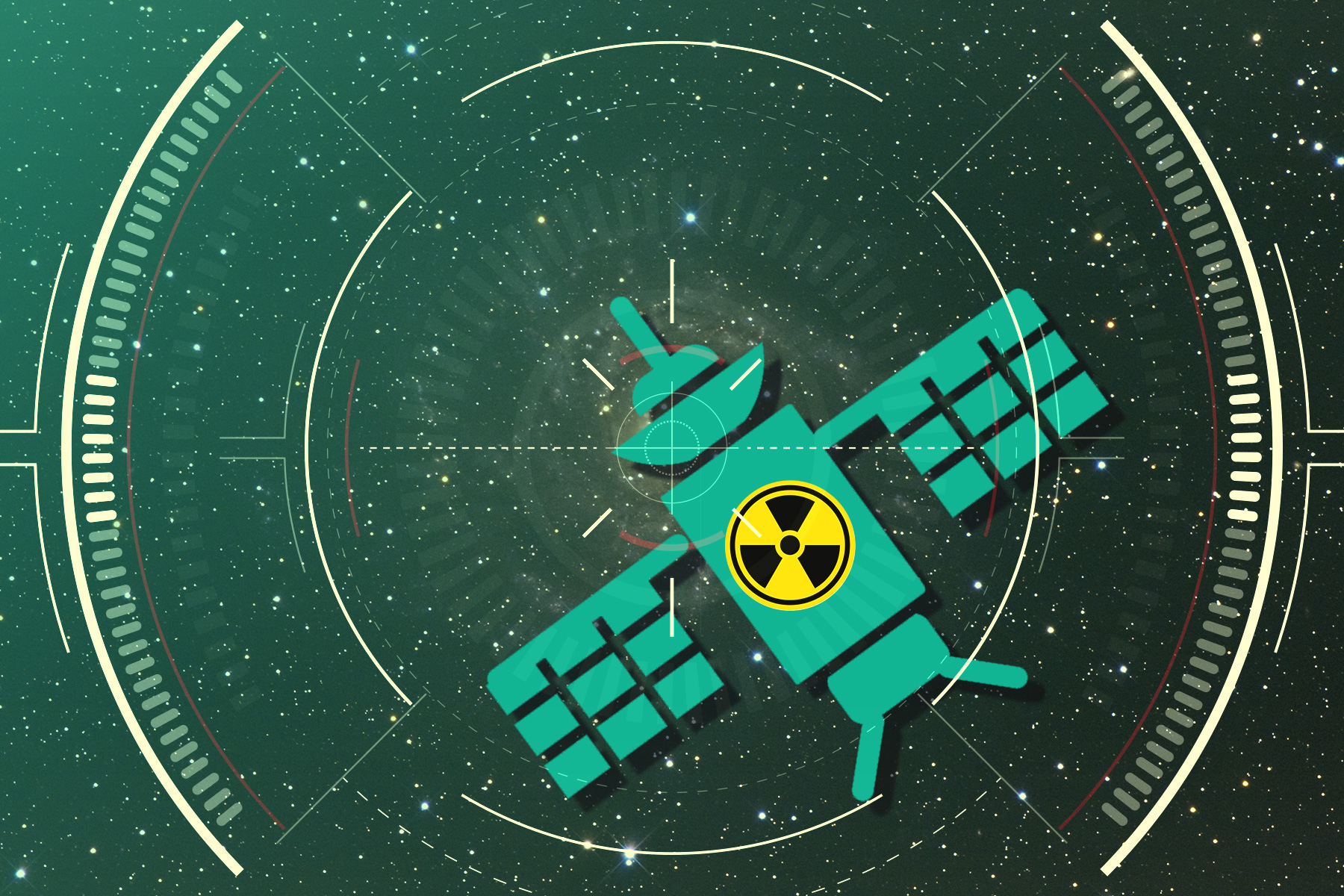
In 2024, an official from the U.S. government cautioned that Russia might be developing a satellite capable of carrying nuclear weapons into space. This warning came after a Russian satellite was launched into low-Earth orbit in 2022, shortly before Russia’s large-scale invasion of Ukraine. A nuclear explosion in this orbit could unleash vast quantities of high-energy electrons, potentially destroying numerous satellites and disrupting communication networks, GPS, and space-based internet.
The 1967 Outer Space Treaty prohibits nuclear weapons in space, but no current methods exist to verify if satellites carry nuclear arms. No proposals have been made in unclassified, peer-reviewed studies for such verification. MIT Professor Areg Danagoulian has now suggested a method to assess whether a satellite has a nuclear weapon. His paper in Nature outlines a satellite-based sensor system that detects neutrons produced by high-energy protons colliding with radioactive substances.
Danagoulian calculates that a sensor the size of a large encyclopedia could detect nuclear arms with 99% accuracy if it orbits within 4,000 meters of the suspect satellite for a week. The detection time could be reduced to hours with multiple sensors or closer proximity. He hopes this technology will encourage adherence to the Outer Space Treaty, as countries would know violations could be detected.
In 1962, the U.S. detonated a 1.4-megaton nuclear warhead in space, which inadvertently destroyed many early satellites. The explosion released high-energy electrons that became trapped in Earth’s magnetic field, damaging electronics. Danagoulian explains that nuclear detonations in space cause the bomb material to ionize and release electrons, which then damage other satellites when trapped in the Van Allen radiation belt.
The Outer Space Treaty, signed by 118 countries including the U.S., China, and Russia, declares space as the “province of all mankind” and bans nuclear arms there. Monitoring treaty compliance has gained urgency since Russia’s 2022 launch of the Cosmos2553 satellite, suspected by U.S. authorities to possibly carry nuclear components for future anti-satellite weapons. Danagoulian notes its unusual orbit passes through a highly radioactive environment, suggesting it could be ideal for trapping electrons from a nuclear detonation.
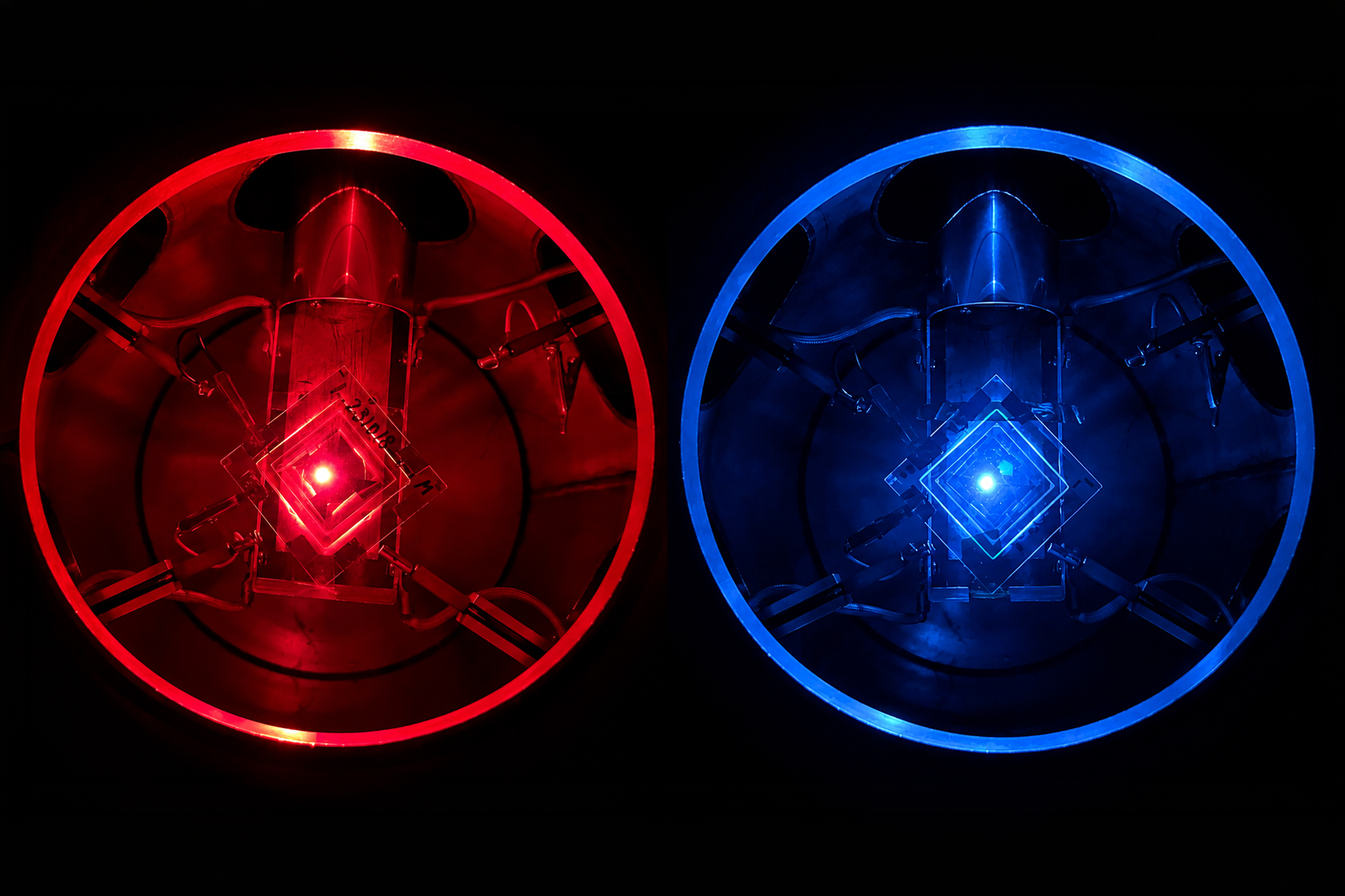
Most nuclear detection research is classified, making it difficult to gauge progress. Danagoulian’s approach relies on spallation, a reaction where energetic protons collide with heavy elements like uranium, releasing many neutrons. His concept uses neutron sensors and crystal detectors to distinguish neutrons from natural atmospheric particles and those from a suspect satellite.
Danagoulian believes the inspector satellite could withstand low-Earth orbit’s harsh conditions while processing the particles it encounters. His calculations suggest that a detector within 1,000 meters of a suspect satellite could identify nuclear weapons in about an hour. He describes the paper as a feasibility study, demonstrating the scientific possibility of the concept, although practical issues remain to be addressed.
He aims for the study to inspire more research and development, collaborating with MIT’s Center for Nuclear Security and Policy to explore the policy implications. Danagoulian envisions that a functioning system could bolster nonproliferation efforts and enhance trust, as scientific evidence is harder to dispute than intelligence. “You can fake intelligence,” he notes, “but you can’t fake physics.” The research received support from organizations including the National Nuclear Security Administration and the Carnegie Foundation.
Original Source: news.mit.edu