




Faculty workloads today consist of both tangible and intangible elements. The tangible parts include courses, syllabi, advising hours, and meetings. The intangible involves managing discussions, addressing student emails, providing feedback late into the night, and the mental strain from constant digital access. In online teaching, work quietly and continuously expands, leading to eroded boundaries and shifting focus from reflective practice to reactive tasks.
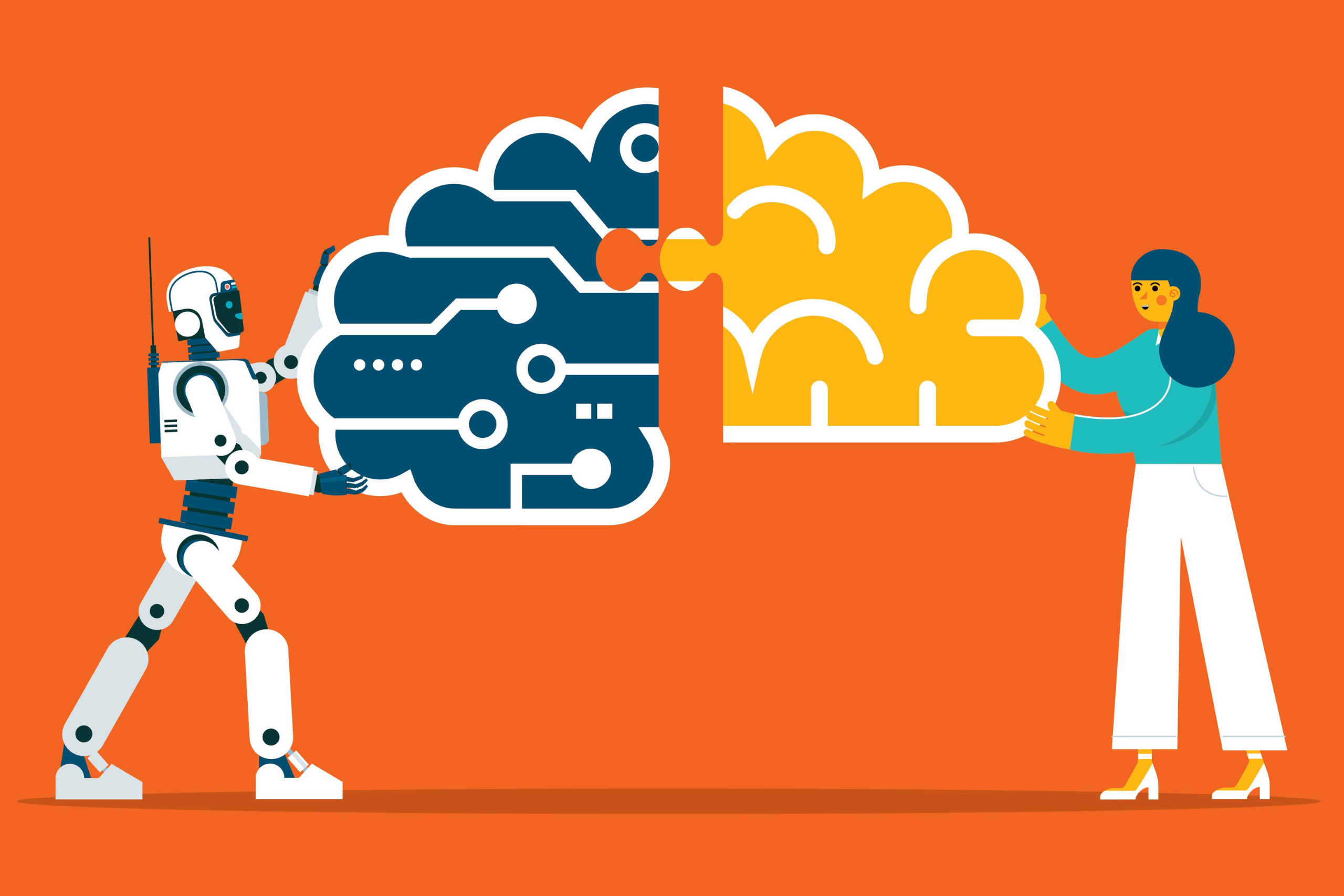
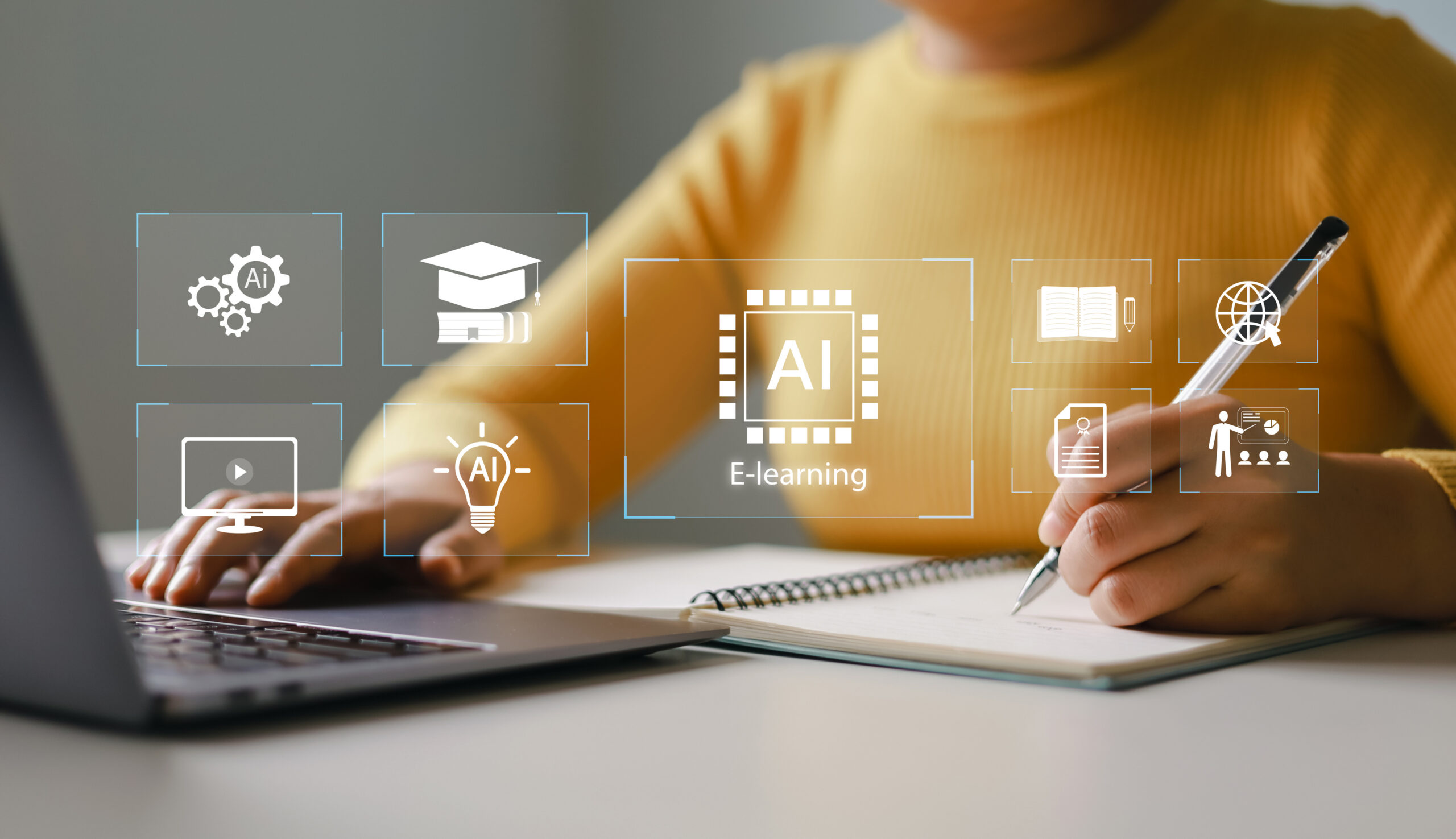
Artificial intelligence (AI) is typically seen as a productivity enhancer, capable of drafting announcements or creating quiz questions. However, AI holds the potential to serve as a reflective partner, assisting faculty in visualizing and crafting sustainable workflows. When used deliberately, AI can help manage academic tasks rather than increase them.
Online teaching presents unique challenges, with faculty often handling multiple high-enrollment sections, advising duties, committee work, and personal responsibilities. This combination results in a significant cognitive load. Studies show that online faculty face increased time demands and blurred boundaries, unlike traditional face-to-face teaching. Faculty often experience their workload as a continuous stream of obligations, leading to scattered attention across various roles without clear structure.
When workloads go unexamined, they tend to expand into unsustainable self-demands. Faculty who prioritize student engagement might overextend themselves by frequently participating in discussions and providing extensive feedback. While well-meaning, these actions are rarely sustainable over a semester. Sustainability is crucial for effective teaching.
Designing sustainable academic workflows goes beyond time management. It involves reflective practice, which requires stepping back to evaluate actions. By structuring their efforts and strategies, faculty can assert control in environments that often demand constant availability. AI, seen as a reflective partner rather than a mere tool, can support this intentional approach without compromising professional judgment.
A practical exercise involves asking AI to model a faculty member’s workload, taking into account teaching, advising, committee duties, and personal responsibilities. This practice makes invisible labor visible, transforming vague feelings of being overwhelmed into structured, reflective designs.
When AI proposes a workflow, faculty can evaluate it. They should consider if the plan requires unlimited energy, if boundaries are clear, if tasks are grouped effectively, and if there is time for focused work and rest. The goal is not to accept AI outputs blindly but to use them as a starting point for refinement and adjustment. AI becomes a tool for reflection rather than management.
Organizing tasks by cognitive intensity, rather than just time, can be beneficial. High-intensity tasks include grading and feedback, moderate tasks involve discussions and meetings, and low-intensity tasks cover emails and administrative work. Grouping high-intensity tasks early in the week can reduce mental strain. AI can suggest workflows based on energy levels rather than traditional schedules, recognizing that faculty need to manage cognitive resources.
Reflective practitioners focus on sustainability alongside improvement. In online courses, faculty often overextend themselves in discussions, but strategic facilitation can be equally effective. In writing-intensive courses, without containment strategies, grading can dominate personal time. AI can suggest stopping rules, such as setting laptop closure times and designating offline days, to help faculty implement known strategies effectively.
Using AI thoughtfully requires not sharing sensitive information and considering institutional and contractual guidelines. AI outputs must be contextualized, and while AI provides a framework, educators maintain authority. Importantly, AI should not be used to increase workload but to support sustainable practices.
Original Source: facultyfocus.com