



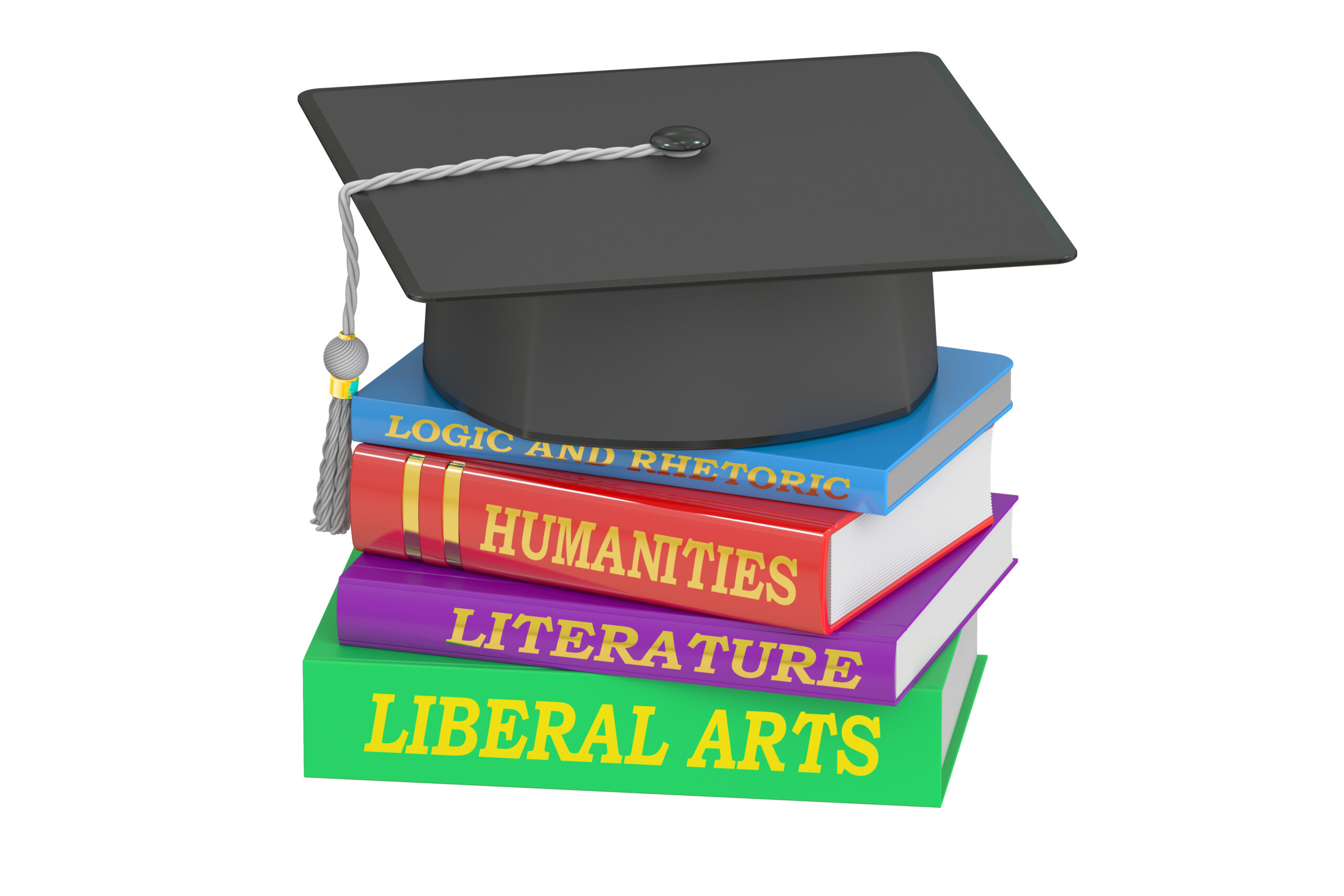
The value of Humanities education faces growing skepticism, with critics increasingly labeling it as impractical due to a drop in Humanities majors and a rise in professional fields. While college career services offer post-graduate assistance, faculty can play a pivotal role in helping students understand and apply their academic and extracurricular experiences in their careers.
Faculty may worry about losing instructional time to career discussions but can integrate these themes without overhauling existing assignments. By highlighting the skills and traits present in current coursework, educators can help students see how their academic work translates to career skills, without adding to their workload.
A four-step process has been developed to aid faculty in guiding students to translate their Humanities education into career language. This involves both solitary and collaborative thinking, applicable across various disciplines.
Firstly, faculty should understand their students to foster career readiness. Advanced students may struggle with group discussions, while first-year students often find writing challenging. Providing multiple engagement opportunities throughout the semester can cater to diverse student needs.
Next, identify transferable career skills within the curriculum. Faculty should align key skills and qualities with course objectives, using standards from organizations like AAC&U and NACE. By associating these competencies with assignments, educators can help students apply their academic work to real-world scenarios.
Incorporating reflective prompts into coursework helps students recognize career competencies. For example, assignments in Graphic Narratives or Contemporary Literature courses can be used to emphasize skill development. Faculty should remind students that co-curricular activities, such as internships and volunteer work, also enhance these skills.
Finally, senior capstone projects and upper-level courses offer opportunities for students to translate their Humanities education into career expectations. Faculty can guide students to reflect on their academic journey, identifying skills and habits that align with career goals.
Original Source: facultyfocus.com