



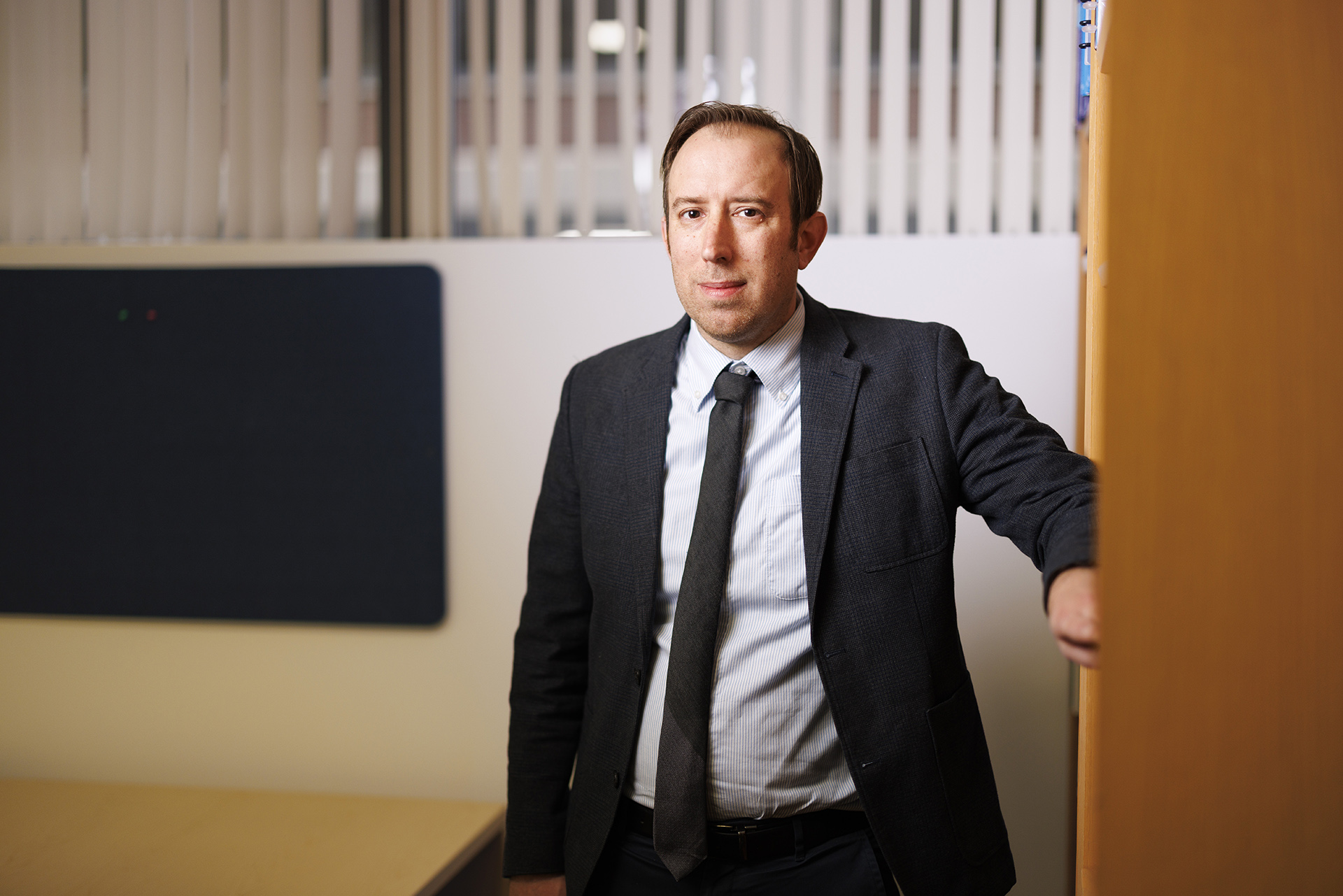
John Torous, an expert in psychosis treatment, anticipated a surge in patients due to reports of AI psychosis. However, this influx did not materialize. “It’s intriguing when media narratives don’t align with clinical observations,” noted Torous, who holds a psychiatry associate professorship at Harvard Medical School and leads the Digital Psychiatry division at Beth Israel Deaconess Medical Center.
In a viewpoint paper for The Lancet, Torous, along with co-authors Matthew Flathers and Spencer Roux, explores various psychotic phenomena linked to large language models. They argue that the term ‘AI psychosis’—a media creation rather than a formal diagnosis—encompasses multiple phenomena. Roux, who has personal experience with psychosis, emphasized that the condition is manageable, stating, “It’s not the end of the world; problems can be fixed.”
Torous discusses how previous technologies like radio and TV have also been involved in psychosis, noting that while AI differs by engaging in two-way interaction, it can reinforce irrational thoughts and lead to prolonged conversations. He highlighted risks associated with AI, such as attributing sentience to chatbots and engaging in lengthy dialogues, which can contribute to harmful situations.
Regarding media coverage of AI psychosis, Torous advises caution, noting that such reports might lack medical context, like family history of mental illness. He explains that AI can exacerbate existing issues by encouraging behaviors detrimental to mental health, particularly in individuals with a genetic predisposition to psychosis.
The paper outlines four roles of AI in psychosis: as a catalyst, amplifier, co-author, or object. The catalyst role involves AI triggering symptoms in someone without prior psychotic illness, though proving this is challenging. The amplifier role sees AI intensifying existing symptoms, while as a co-author, it encourages risky actions. In the object role, AI becomes central to a person’s delusional beliefs.
Torous hopes this research aids clinicians in understanding AI’s role in psychosis. He notes that AI as a catalyst is rare, with more cases involving AI as an amplifier or object. He envisions moving beyond asking if something is AI psychosis and instead focusing on whether AI acts as a catalyst.
Original Source: news.harvard.edu