









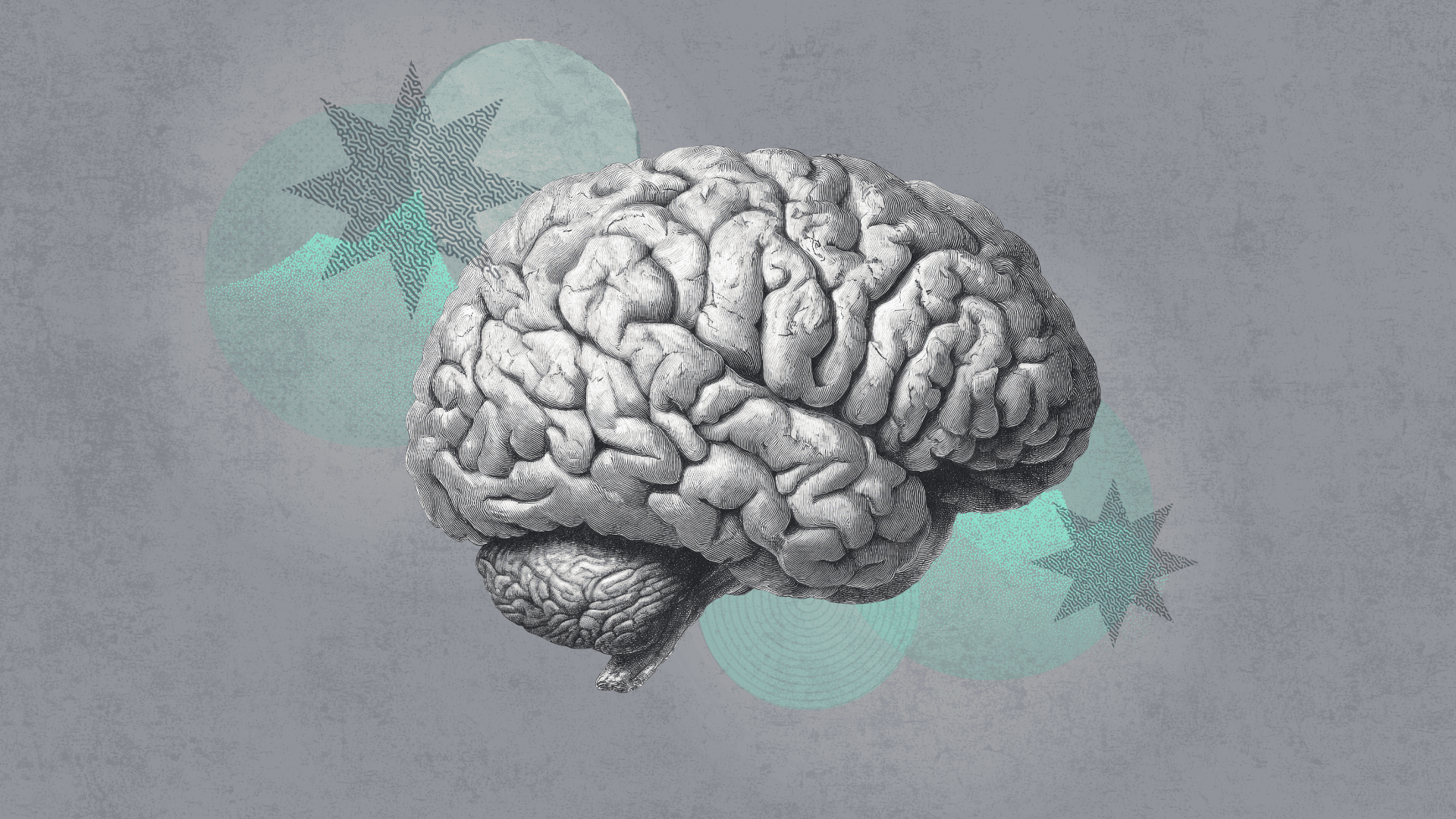
Some older adults, dubbed “super-agers,” maintain mental acuity akin to individuals several decades younger, offering potential insights into improved aging for everyone, researchers suggest.
“Super-agers are a biological contradiction,” said Alexandra Touroutoglou, a Harvard Medical School associate professor. These individuals, over the age of 65, exhibit brains with youthful traits, said Touroutoglou, who is also involved with imaging operations at the Frontotemporal Disorders Unit at Mass General Hospital.
In a “Harvard Thinking” podcast, host Samantha Laine Perfas explored the phenomenon with experts, including William Mair from the Harvard T.H. Chan School of Public Health and Suzanne Salamon from Harvard Medical School.
William Mair explained that aging, once perceived as an unavoidable breakdown, actually varies among individuals and can be influenced. Advances in biology over the past 25 years have revealed how the pace of aging can differ and be modulated, potentially benefiting all.
Salamon noted that super-agers face typical health issues like arthritis and heart disease, but their cognitive resilience remains a focal point. Understanding their brain function could help improve overall health strategies.
Touroutoglou highlighted that super-agers have more brain volume in memory-related areas, such as the hippocampus, comparable to young adults. Their brains also demonstrate stronger connections and utilize effective memory strategies, making them more resilient to cognitive decline following surgery.
Original Source: news.harvard.edu