


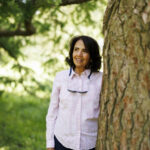




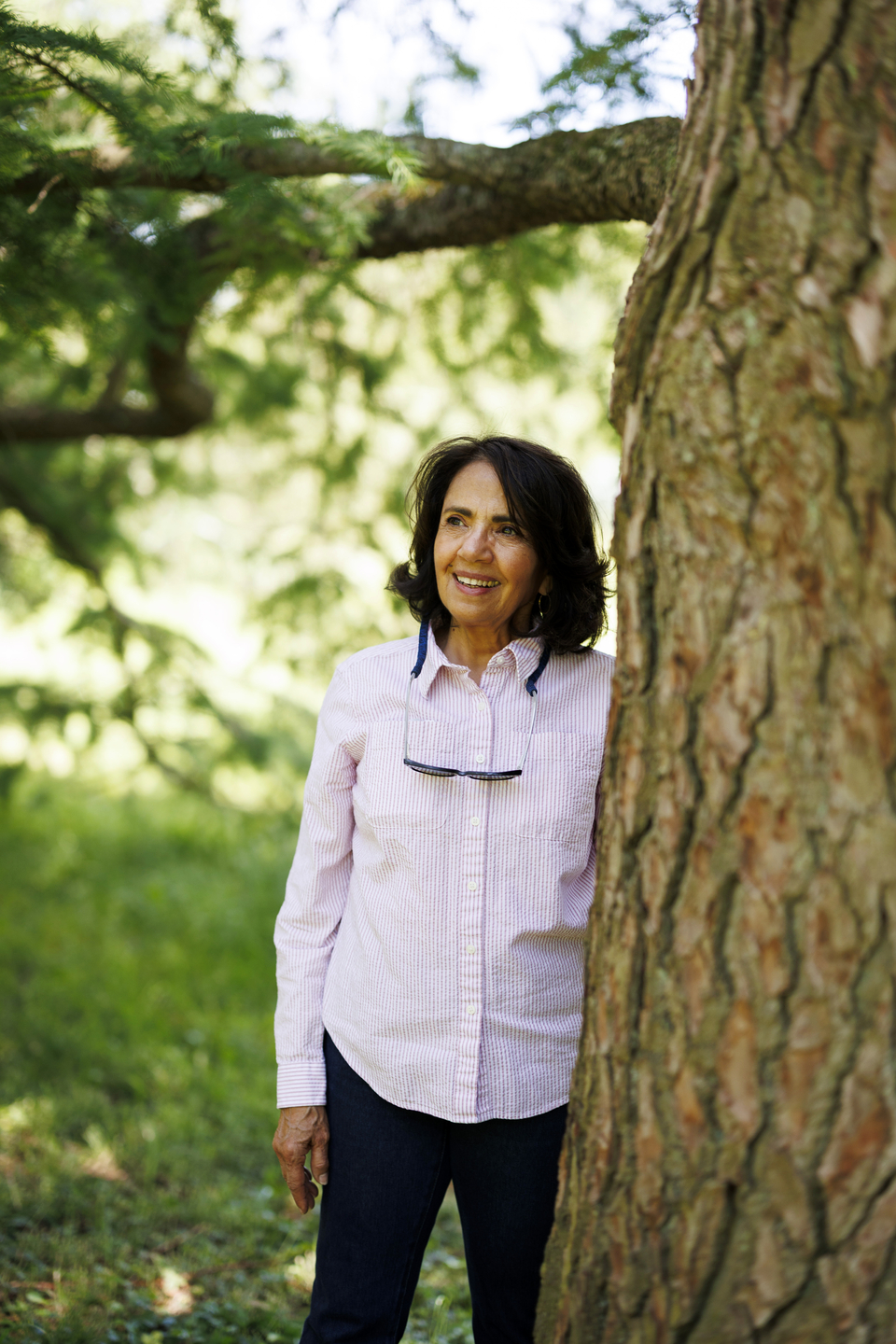
Taking a walk in nature may help alleviate stress, according to growing scientific evidence. Studies suggest that time in nature not only reduces stress and depression but also enhances the immune system, cognitive function, sleep quality, and cardiovascular health. Susan Abookire, an assistant professor at Harvard Medical School, conducts forest therapy walks for medical staff at Brigham and Women’s Hospital to combat burnout.
Abookire’s sessions, held in the Arnold Arboreum near the Longwood Medical Area, use shinrin-yoku, or “forest bathing,” to help participants deeply engage their senses. She advises those practicing alone to focus on their surroundings and minimize distractions by turning off phones and removing earbuds. Research indicates that just 20 minutes in nature, three times a week, can yield benefits, though more exposure is advantageous.
Trees release phytoncides, essential oils that boost immunity, with studies showing increased natural killer cells, which combat viruses and cancer. Exposure to tree oils has been linked to reduced depression, anxiety, and blood pressure, while terpenes from plants have potential anti-inflammatory and cancer-fighting properties. Abookire notes that while research on nature’s impact on cancer is emerging, it has been shown to improve cancer patients’ quality of life.
Nature also aids mental health by activating the parasympathetic nervous system, which counteracts the “fight or flight” response. Chronic stress, associated with high cortisol levels, can lead to health issues, but nature can lower cortisol and improve mental well-being. Forest bathing has been shown to increase serotonin, enhancing sleep and mood, while also benefiting heart health.
Nature’s sounds and patterns, such as birdsong and fractals, also provide health benefits. Visual exposure to nature, even through a window, can enhance recovery and attention spans. Abookire conducts a program training medical professionals as Nature as Medicine Practitioners and occasionally leads public forest bathing walks.
Original Source: news.harvard.edu