





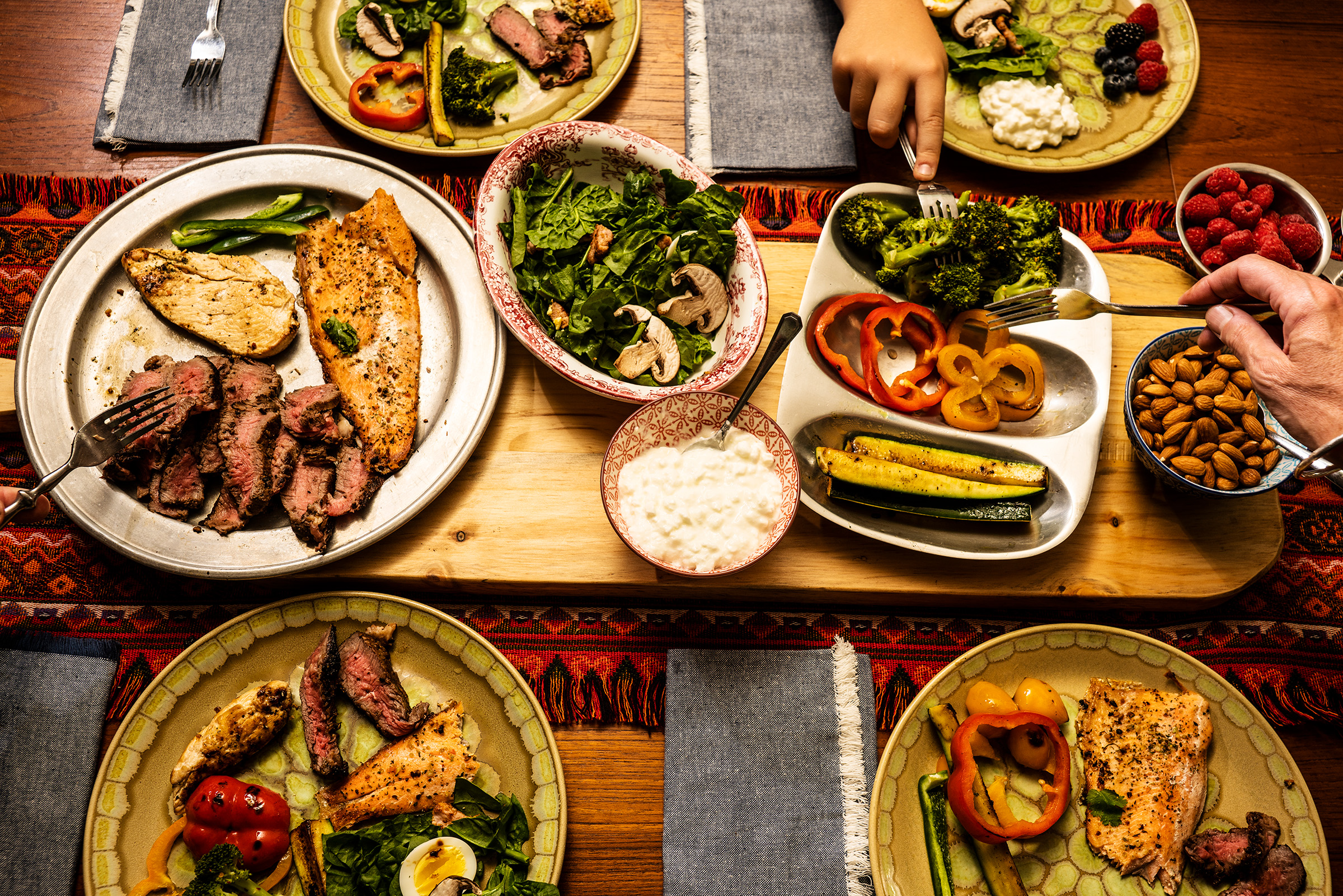
A ketogenic diet, characterized by high fat and low carbohydrate intake, may aid weight loss by prompting the body to use fat as its primary energy source. Researchers have been investigating its impacts on various health aspects, including cancer. Although prior studies indicated potential protection against colon cancer, new findings from MIT suggest an increased cancer risk in the small intestine.
“Ketogenic diets have unique effects on different tissues, even within the gastrointestinal tract,” stated Omer Yilmaz, director of the MIT Stem Cell Initiative and an associate professor of biology at MIT. He emphasized the importance of understanding that what benefits one tissue might harm another. Yilmaz is the senior author of the study, published in Nature, with postdocs Jessica Shay and Fangtao Chi leading the research. Contributions also came from Alex K. Shalek and Matthew Vander Heiden’s labs.
Ketogenic diets, initially developed in the 1920s to treat epilepsy, have been adapted for weight loss and longevity. This diet leads the body to metabolize fatty acids instead of carbohydrates, producing ketone bodies like β-hydroxybutyrate (BHB) and acetoacetate. A 2022 Nature study indicated these diets might protect against colon cancer, with BHB playing a key role. However, the new MIT study aimed to determine if similar protection exists for the small intestine.
Mice genetically predisposed to intestinal cancer were fed either a ketogenic, control, or high fat/high calorie diet. The results showed that mice on a ketogenic diet developed small intestine tumors more frequently than those on a control diet. They developed tumors at similar or higher rates than mice on an obesogenic diet, despite not becoming obese. Further analysis revealed that tumor growth was linked to fatty acid oxidation, not ketone bodies.
This process, driven by dietary fat metabolism, activates PPAR proteins that increase stem cell proliferation, heightening cancer risk. While beneficial for repairing the intestinal lining, excessive proliferation can lead to cancer. “Having more stem cells helps repair injury, but can also lead to tumors,” Yilmaz explained.
Interestingly, the same diet reduced colon tumors, consistent with the 2022 findings. However, ketone bodies were not responsible for the protective effect. “Contrary to expectations, our experiments showed that stem cells processing dietary fat, not ketones, drive tumor growth,” Yilmaz noted.
The team plans to investigate why ketogenic diets have opposite effects in the colon and small intestine. As these diets grow in popularity, understanding specific tissue impacts is crucial. “We’re working to understand why the same diet affects two gut regions differently,” Chi said. Given the rise in small intestine tumors, particularly among those with genetic predispositions, this research has significant implications.
Original Source: news.mit.edu