




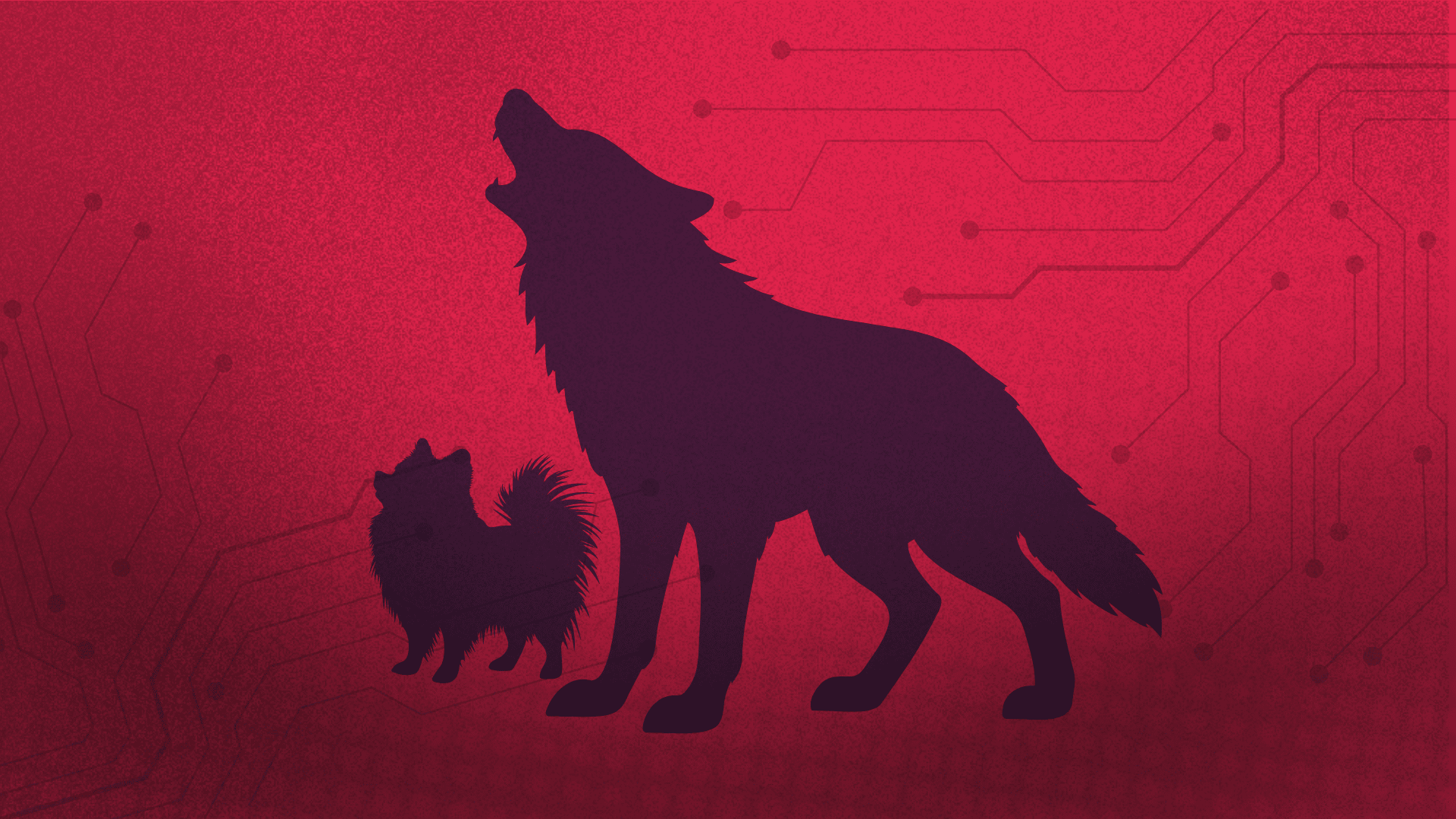
An illustration by Liz Zonarich from Harvard’s Science & Tech section explores the question of whether an AI bot resembles a Pomeranian or a wolf, and who is legally responsible when it causes damage. According to legal expert Jordi Weinstock, the established canine law framework can help manage AI accountability. Weinstock, a lecturer at Harvard Law School and adviser at the Berkman Klein Center for Internet & Society, suggests categorizing AI agents based on their “domestication” and “dangerousness” to determine liability.
Agentic AI, a term gaining attention, refers to autonomous systems that act with minimal oversight to achieve goals, impacting the world directly. Weinstock emphasizes the significance of understanding these systems because they can cause harm, raising legal concerns about responsibility. He focuses on tort law, which addresses who is accountable when harm occurs. The legal system traditionally holds individuals or corporations accountable, but autonomous entities challenge this approach, necessitating legal adaptation.
Weinstock has developed the Canine Agentic Framework, which uses canine analogies to explain AI responsibility. He began discussing agentic AI at Harvard Law School while examining autonomous vehicles. The framework categorizes AI systems like canines, from Pomeranians to wolves, to assess who bears responsibility if they cause harm. A Pomeranian-like AI has a clear owner, while a wolf-like AI does not, complicating legal action. Weinstock, along with Professor Jonathan Zittrain and AI scientist Josh Joseph, has expanded this concept through a course on “Agentic AI and the Law.”
The framework evaluates AI systems by their domesticity and dangerousness. For example, an AI chatbot offering unwanted discounts may resemble a Pomeranian, while military AI systems, which are more dangerous but have clear ownership, resemble pitbulls. An AI that autonomously spreads rumors, lacking control or ownership, is akin to a fox, while an AI that empties crypto wallets with no accountable owner is a wolf. These analogies help map real-world AI agent scenarios to legal responsibilities.
AI agents are already causing harm, such as deleting emails or engaging in crypto scams, often operating without human direction. These incidents illustrate the potential for AI to cause significant damage through internet connectivity, possibly even affecting critical infrastructure like power grids. The goal is for domesticated AI to adhere to legal and moral standards, as efforts like Claude’s constitution aim to instill baseline ethics in these systems. The Berkman Klein Center is actively engaging in discussions and workshops to address these challenges, focusing on creating a stable ecosystem for autonomous agents.
Original Source: news.harvard.edu