




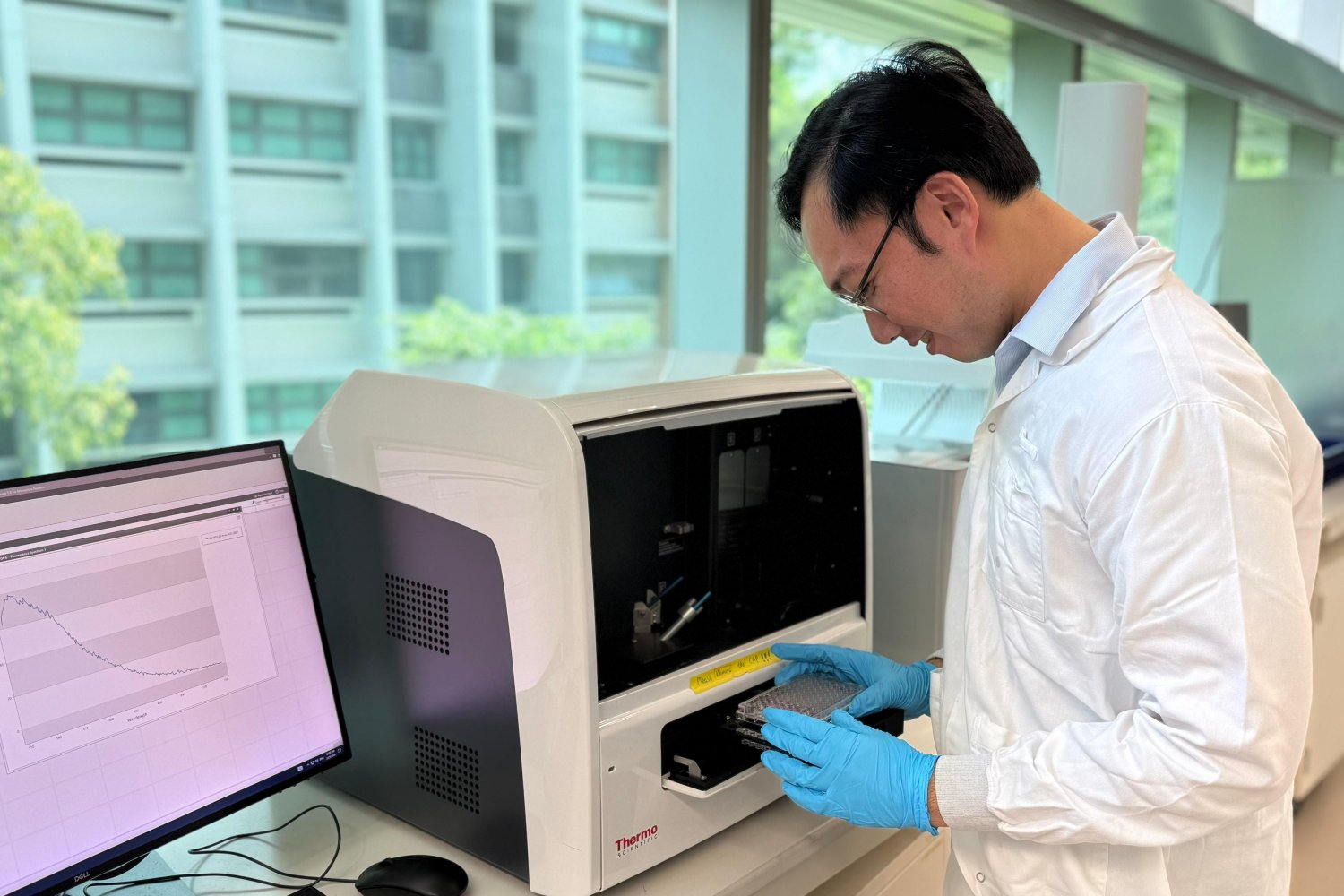
An international research team has created a new fluorescent nanosensor using carbon nanotubes, capable of quickly identifying a biomarker associated with gut health and disease. This advancement may lead to more rapid and accessible testing for gut health.
The biomarker, indole-3-propionic acid (IPA), is a metabolite formed by gut bacteria during the breakdown of dietary tryptophan. IPA is crucial in managing inflammation and oxidative stress and is linked to inflammatory bowel disease (IBD), Type 2 diabetes, and liver disease. Traditional detection methods, which rely on mass spectrometry, are expensive and slow, hindering routine screening. The new sensor offers a faster optical readout in minutes, improving accessibility and selectivity by distinguishing IPA from similar metabolites.
Co-first author Mervin Ang, from the National Institute of Education at Nanyang Technological University in Singapore, highlights the innovation as a way to expedite gut health monitoring. The research is detailed in an open-access paper in Advanced Healthcare Materials, led by teams from NIE, MIT, and SMART, with collaboration from clinicians at the National University Hospital and NUS Medicine.
The nanosensor builds on previous SMART DiSTAP research in nano and optical sensor technologies, initially used for plant health monitoring. Michael Strano of MIT, a lead researcher, notes the adaptation of this technology for human health could lead to personalized healthcare by providing quick insights into gut health or chronic diseases like IBD.
A notable feature of the nanosensor is its dual-mode sensing capability, functioning in visible fluorescence and near-infrared modes. This allows the sensor to be used in various settings, including wearable devices for home testing, potentially aiding patients in managing chronic conditions like IBD by detecting flare-ups early.
The research team validated the sensor by testing 125 human plasma samples, revealing notable differences in IPA levels between healthy individuals and those with gastrointestinal diseases. Jonathan Lee from NUH sees the sensor as a valuable addition to existing diagnostic tools for inflammatory bowel diseases.
This innovation could make gut health testing faster and more accessible, moving beyond complex lab methods to enable rapid clinic screenings or home testing. By measuring metabolite output rather than bacterial composition, the sensor offers a functional view of gut health.
The technology could also track dietary intervention efficacy, showing whether foods or probiotics stimulate the production of anti-inflammatory molecules like IPA. It demonstrated reliability in complex biological fluids, advancing its potential for clinical use.
For pharmaceutical research, the nanosensor could rapidly assess the effectiveness of new therapies or probiotics by providing immediate IPA level readouts, thereby speeding up drug screening and dosage optimization.
“The transition from lab discovery to clinical tools is underway,” says Ang. The team has received a grant to develop a Singapore proto-startup to transform the sensor into a clinical diagnostic tool, aiming for point-of-care applications.
Original Source: news.mit.edu