






Concerns are mounting about the privacy of personal financial and medical data. Tyler Cowen, an economist from George Mason University, warns that new AI developments may soon allow hackers to breach previously secure systems. Cowen suggests that the likelihood of such breaches will increase, potentially exposing sensitive information.
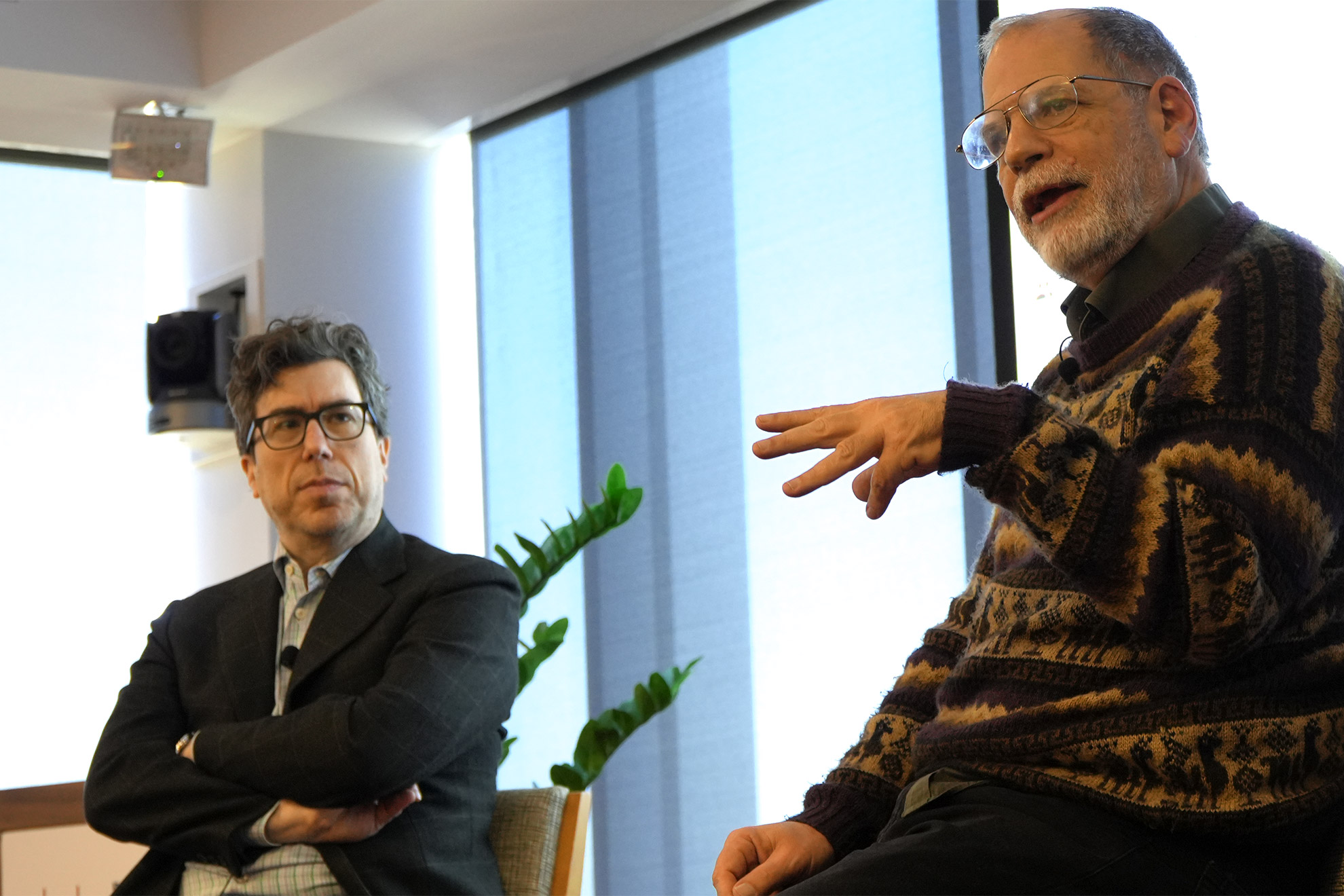
Cowen, an expert in AI and its societal impacts, highlighted the risks at a Berkman Klein Center event. He emphasized that emerging AI models could help cybercriminals and amateur coders bypass security measures, putting vast amounts of personal data at risk. Cowen noted that if individuals have any regrettable past actions stored digitally, they should prepare for the possibility of exposure.
He explained that companies like Anthropic and OpenAI are close to releasing advanced AI models with enhanced coding capabilities. These models could outsmart older security systems. Recent previews of Anthropic’s Claude Mythos and OpenAI’s GPT-5.4 have been shared with tech partners, aiming to bolster defenses against potential threats.
Cowen pointed out that major companies, such as Amazon and Facebook, invest heavily in security, which may offer some protection. However, he warned that even these firms might not foresee every vulnerability. AI companies themselves could face internal risks due to the absence of stringent security protocols typically found in government agencies.
Government bodies, particularly smaller ones, could become prime targets for breaches, Cowen cautioned. While national security agencies are better prepared, lesser entities might suffer from embarrassing leaks. To mitigate these risks, Cowen advocates for regulatory measures, including AI agent registration and cloud connectivity to enhance transparency.
He also suggested that AI agents should be capitalized like financial institutions, though he acknowledged the challenge posed by untraceable AI agents. Cowen stressed the importance of developing state capacity to address these challenges, acknowledging that progress will involve trial and error.
Original Source: news.harvard.edu