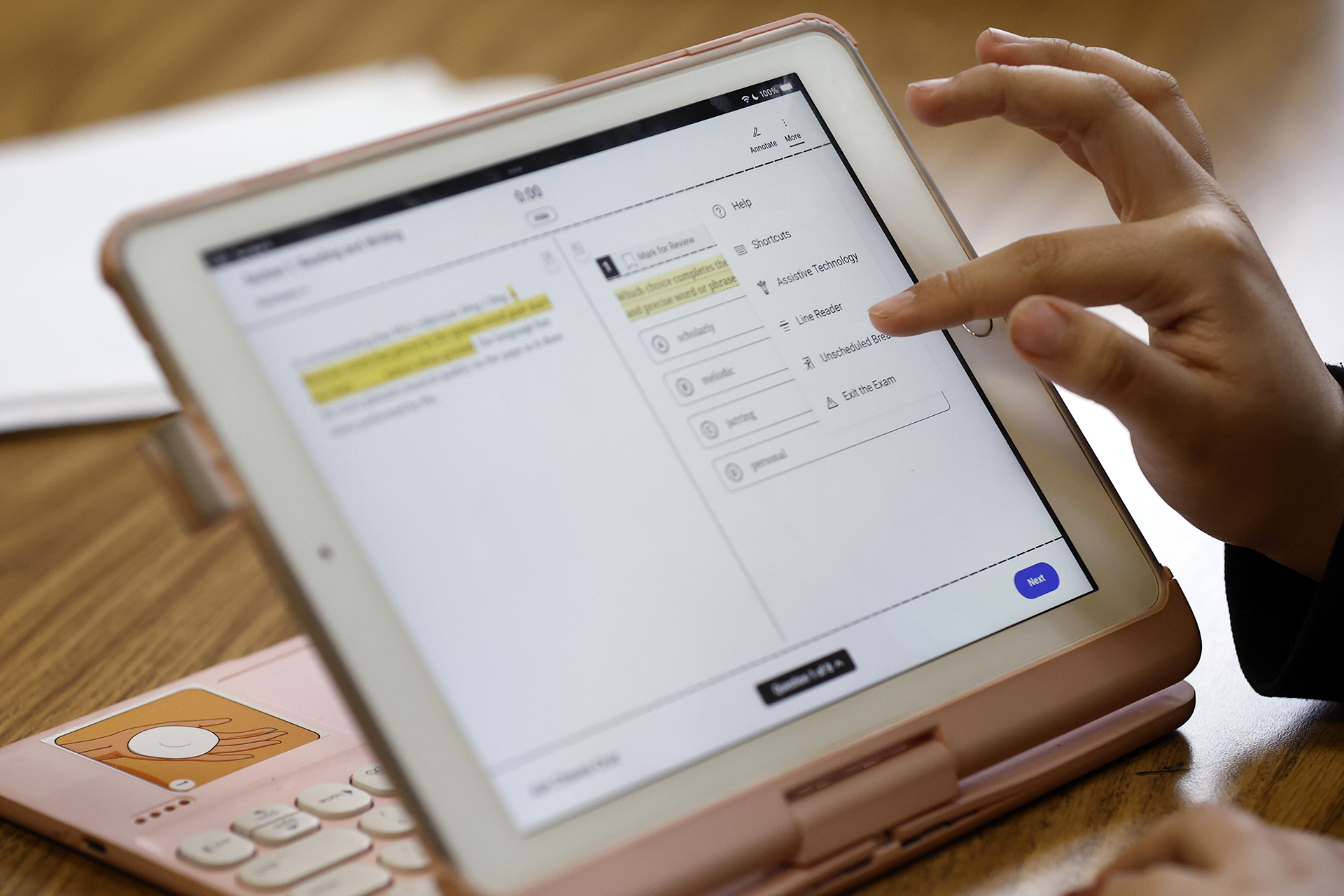









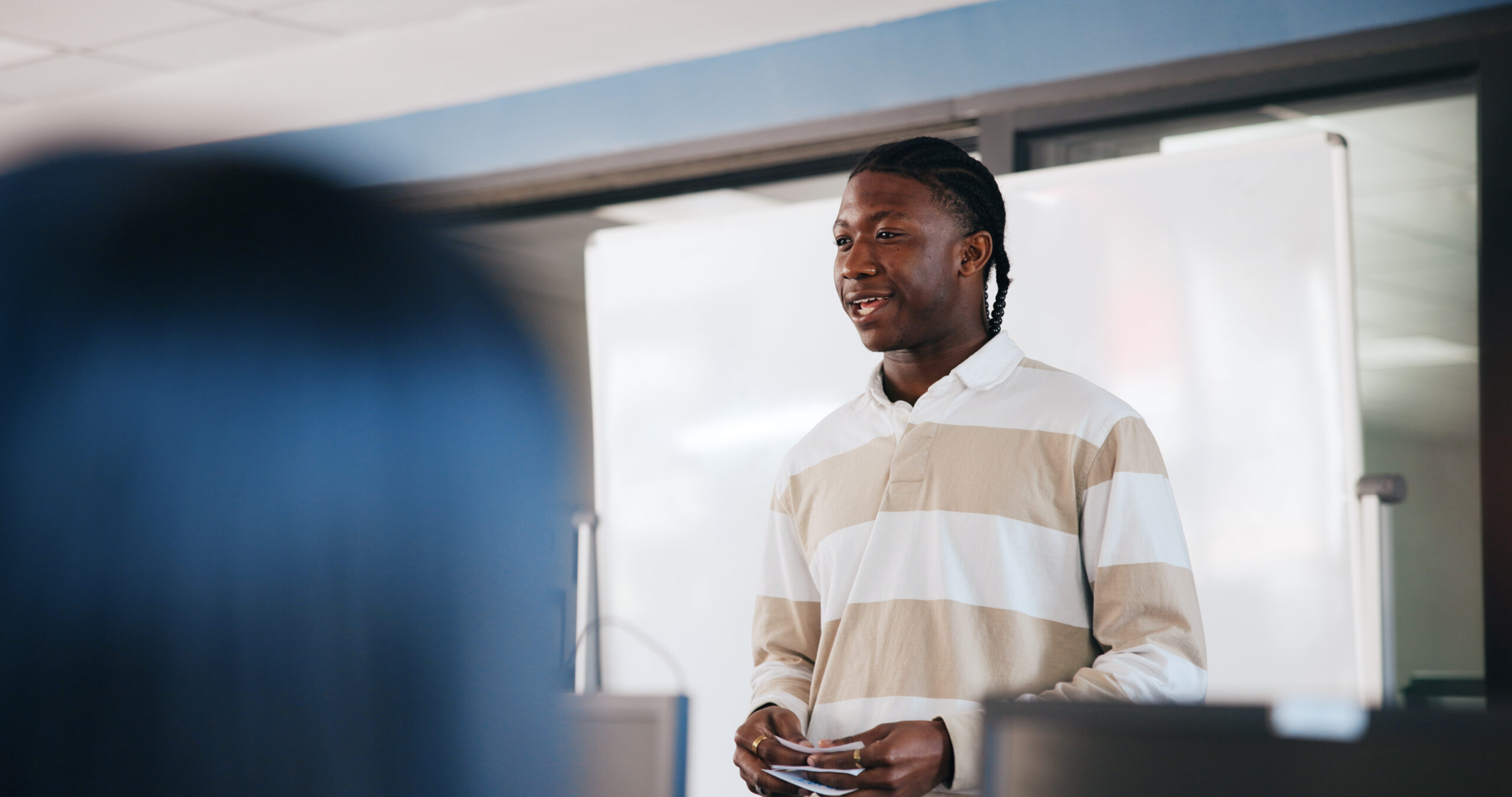
Disillusioned with grading AI-generated essays and scantrons, I decided to conduct oral exams for my lower-division history classes this finals season. Students booked half-hour slots via Google Calendar, starting after our last class and finishing before the grade submission deadline. The 20 in-person slots quickly filled, taking place in our classroom and my office. Students chose times evenly, avoiding weekends. After submitting course grades, I sent a Google Form for anonymous student feedback, receiving 13 responses. Here are the insights from this experience.
Most oral exams lasted 20 minutes, which was suitable for maintaining a deep conversation and energy levels. Conducting 71 exams in total was a rigorous exercise in mental endurance and quick thinking, ultimately improving my conversational skills. The most frustrating part was dealing with six no-shows, two last-minute reschedules, and two unscheduled appearances. Establishing reminders and penalties for missed appointments is crucial.
Grading during face-to-face interactions was intense, as I witnessed a range of emotional responses. Initially, student nonverbals influenced grades, but after several exams, I became accustomed to these reactions and identified grading nuances. Unlike written exams, oral exams allowed students to immediately hear feedback on their performance, enhancing learning effectiveness.
While many students were anxious, this did not necessarily lead to increased studying. Some students, needing minimal effort to pass, openly admitted their lack of knowledge on topics covered in lectures. The oral exam format allowed for tailored questioning, as demonstrated when a student interested in Ancient Assyria was given related materials to analyze.
Students discussed the exam among themselves, prompting me to modify questions to keep the experience fresh and reduce potential reconnaissance. Of the 51 Zoom exams, only one student kept her camera off, leading to a unique, improvised exam focused on primary source analysis. After 20 minutes, I often offered students the option to end with their current grade or continue to try for a higher mark, with most opting to keep their grade.
My favorite question, “What is a question you don’t know the answer to but wish you did?” prompted thoughtful pauses and sometimes led to dynamic exchanges where students acted as reporters questioning a historical character I portrayed. One student suggested a game where clues are revealed gradually, adding unexpected teaching moments.
The flexibility in scheduling eliminated the need for alternate exam days, and a sick student could take the exam via Zoom without affecting others. Only one student required a memory guide as a disability accommodation. Some students appreciated the shorter duration of oral exams compared to traditional tests, and a few found Zoom exams less stressful, as they could study until the meeting time. Only two out of 13 survey respondents preferred in-person exams.
Oral exams offered a personalized experience, ending classes with pleasant farewells instead of uncertainty. Unlike traditional exams, they concluded with a sense of completion. These exams also allowed for spontaneous and engaging discussions, enhancing the university experience. Jason Linn, a lecturer at Cal Poly, credits AI with inadvertently making exams more enjoyable and human. He has been teaching lower-division history courses at Cal Poly since 2013 and holds a PhD in History from UC Santa Barbara.
Original Source: facultyfocus.com