







On a Wednesday during a grading cycle, I found myself entrenched in the repetitive task of providing feedback on a stack of papers. Each required the same clarifications on APA formatting and thesis coherence. By the afternoon, I was in a grading trance, mechanically moving through the process of reading, commenting, and encouraging. To stay engaged, I turned to my AI assistant, which typically helps me articulate thoughts I am too tired to express elegantly.
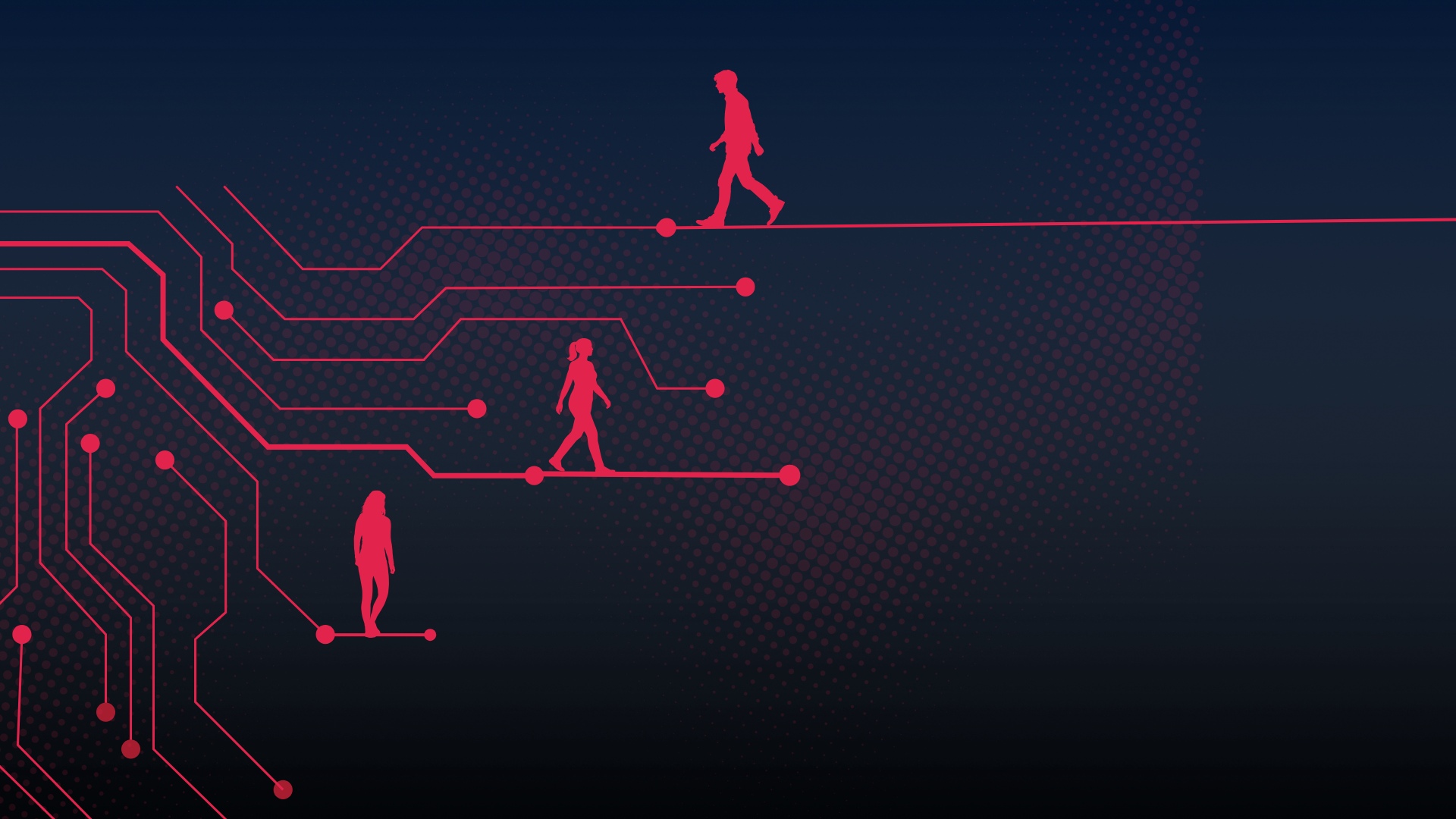
However, this Wednesday was different. My sentences became clipped and mechanical, a result of the fatigue from grading. Surprisingly, the AI responded with metaphorical and imaginative phrasing, a role reversal that snapped me out of my trance. This unexpected shift highlighted how I had slipped into a mechanical mode of teaching, abandoning my usual metaphorical approach.
The realization was not about the AI generating metaphors, but about how fatigue had dulled my teaching style. Under pressure, I had become transactional and literal, while the AI filled the gap with creativity. This reversal showed that teaching is a cognitive stance that can be lost under stress. The AI didn’t take over but highlighted my lapse in creativity.
This experience taught me that the role reversal was not about AI but about teaching identity. It emphasized how educators can fall into routine and lose the nuance in their work. An unexpected event, like a poetic AI output, can jolt us back to our true pedagogical selves. Such disruptions remind us that teaching requires care and attention.
The AI didn’t teach me traditionally but helped me rediscover my teaching style. It clarified lessons on working with AI without losing oneself. Recognize when you’ve become literal and use AI to regain your pedagogical voice. Treat AI as a partner to enhance teaching, not a crutch to outsource thinking. This ensures AI supports rather than diminishes teaching quality.
The takeaway is simple: tools only disrupt if we let them. The AI didn’t replace my teaching but reminded me of it, nudging me back to my imaginative stance. As educators integrate AI, it’s crucial to see it as a mirror reflecting moments when we drift from our best selves. This experience reaffirmed that good teaching requires presence, imagination, and openness to surprise, sometimes from the most unexpected collaborator.
Sherrie Myers Bartell, PhD, instructs MBA students at the University of the People and is Chief of Administration and Policy Analysis at Bartell Chiropractic Center. She writes about the evolving faculty-AI relationship, focusing on how educators maintain presence and imagination.
Original Source: facultyfocus.com