





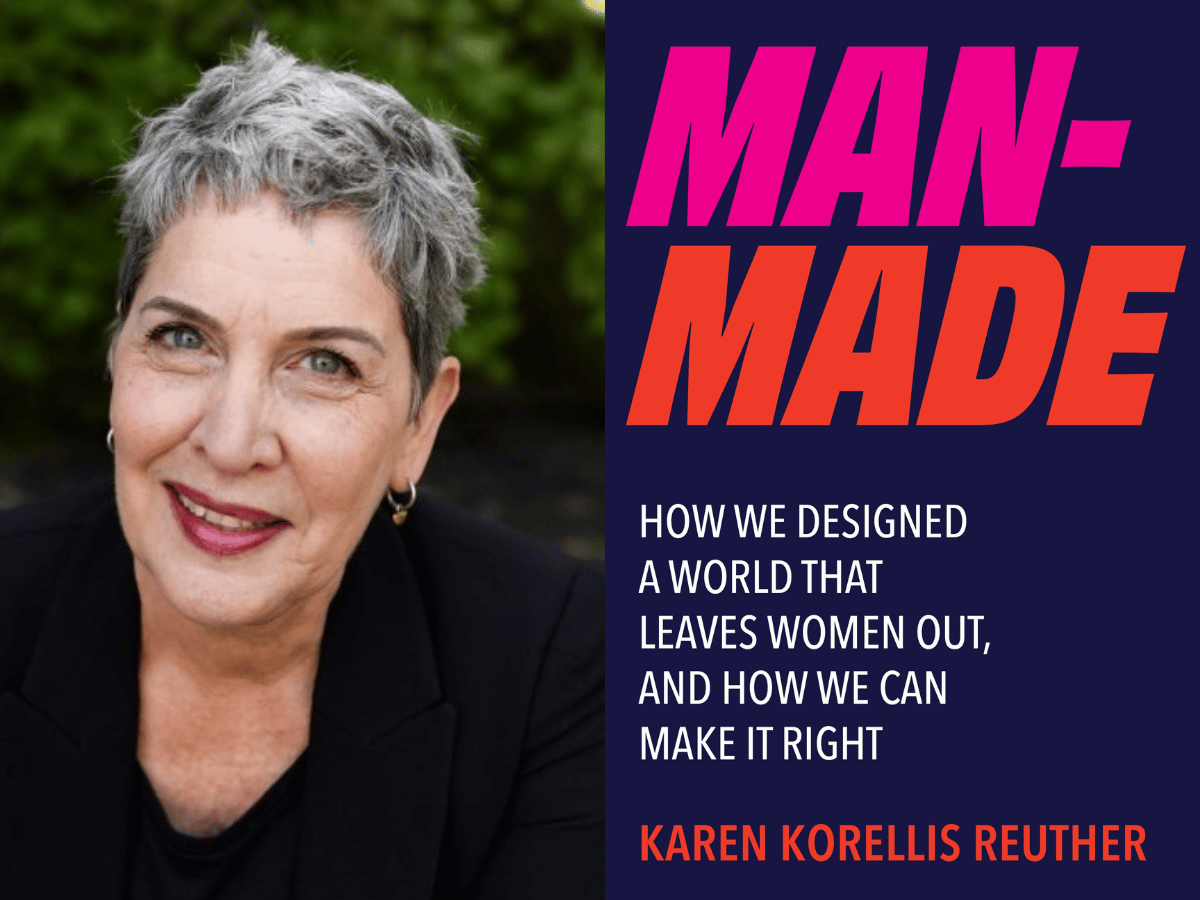
Karen Korellis Reuther, a seasoned design professional with over four decades of experience, highlights the male-centric nature of product design. Formerly an executive at Reebok and Nike, Reuther has witnessed how design predominantly caters to men. Her latest book, “MAN-MADE: How We Designed a World That Leaves Women Out, and How We Can Make It Right,” critiques the outdated “shrink it and pink it” approach and its detrimental effects on women.
Reuther, who teaches at Harvard’s Graduate School of Design, notes that a mere 18 percent of product designers, 25 percent of licensed architects, and approximately 12 percent of mechanical engineers are women. This gender imbalance means that the world is largely designed by men and for men. She emphasizes the need for more female designers to have a say in creating the objects and environments we interact with daily.
The “shrink it and pink it” strategy involves altering men’s products by making them smaller and coloring them stereotypically for women. Reuther points out the issues with this, such as the “pink tax,” where women pay more for less. She stresses that women’s anatomical differences require distinct designs, as exemplified by sneakers originally shaped for male feet.
Reuther explains that scaling down male-oriented designs can lead to improper fitting and injuries, as seen with sneakers and crash test dummies. Women are 73 percent more likely to be injured in car accidents due to inadequate testing of female biomechanics.
The belief that women are merely smaller versions of men persists in product design, influenced by outdated norms and data. Reuther calls for redefining “average” and recognizing women’s contributions to the design field. Historical oversight of female designers’ work, such as in the automotive industry, has contributed to this disparity.
Addressing the need for change, Reuther advocates for “intentional design” that utilizes current technology to create customized solutions. She encourages designers and leaders to prioritize inclusivity and innovation, moving beyond merely scaling down men’s products.
For young female designers, Reuther advises perseverance in the face of status quo challenges. She encourages them to remain engaged, ask critical questions, and seek allies. Diverse voices in design not only benefit products for women but enhance overall design quality.
Original Source: news.harvard.edu