





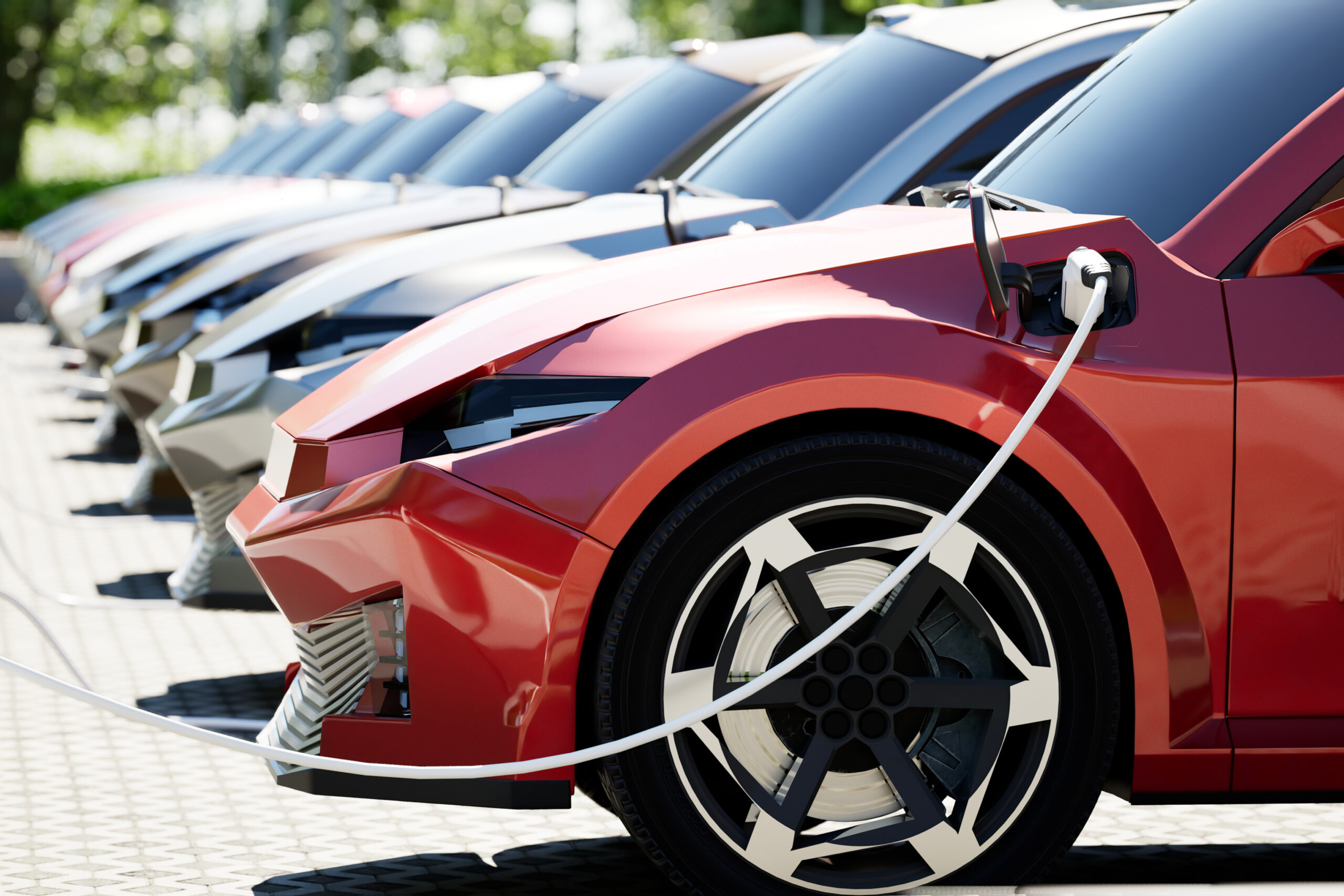
A new study from MIT researchers reveals that electric vehicles (EVs) produce fewer greenhouse gas emissions and do not incur higher costs than similar gas-powered vehicles for most U.S. drivers and fleet owners. This study considers diverse factors, including climate, electricity sources, traffic, and driving patterns. By using meteorological data, trip distances and durations, and fuel prices, the researchers assessed life-cycle emissions and ownership costs of EVs across thousands of U.S. zip codes.
Concluding their analysis by early 2025, the researchers found that individual driving habits impact emissions savings of EVs as much as regional factors like the local electricity mix. In many areas, battery-electric vehicles can cut emissions by 40 to 60 percent, with the greatest reductions in urban settings. Contrary to some media claims, colder climates do not significantly diminish emission benefits. The study also updates carboncounter.com, a tool for comparing car emissions and ownership costs, with a new version launched today.
Marco Miotti PhD ’20, now a senior researcher at ETH Zurich, emphasizes the importance of evaluating various factors to understand EVs’ benefits under different conditions. He co-authored the study with Jessika Trancik, a professor at MIT’s Institute for Data, Systems, and Society (IDSS). Their research, published in Environmental Research Letters, seeks to answer ‘better for whom, and under what conditions?’ rather than simply ‘Are EVs better?’.
The team expanded existing models to cover a broader range of factors, integrating data on traffic, fuel prices, electricity sources, and more for each zip code. They applied statistical methods to merge data from travel surveys and GPS data, capturing detailed driving patterns. The analysis focuses on the spatial aspect of emissions and costs, factoring in vehicle size and features.
The study shows EVs yield the most emissions reductions in regions with cleaner electricity, heavy traffic, longer travel distances, and milder climates. In colder regions like North Dakota, while cold weather can impact battery performance temporarily, the overall emissions benefits remain significant. The models also indicate that EV ownership costs are competitive with combustion-engine vehicles in most U.S. areas, especially where electricity is cheaper.
Looking forward, researchers aim to incorporate a temporal dimension into their analysis to track changes in vehicle, fuel, and electricity prices over time. As the electricity grid continues to decarbonize, the spatial differences in emissions savings are expected to level out, while individual driving variations will persist. The framework could also be adapted to examine regions beyond the U.S. or include non-plug-in hybrid vehicles. This research was partially funded by the MIT Martin Family Society of Fellows for Sustainability.
Original Source: news.mit.edu