





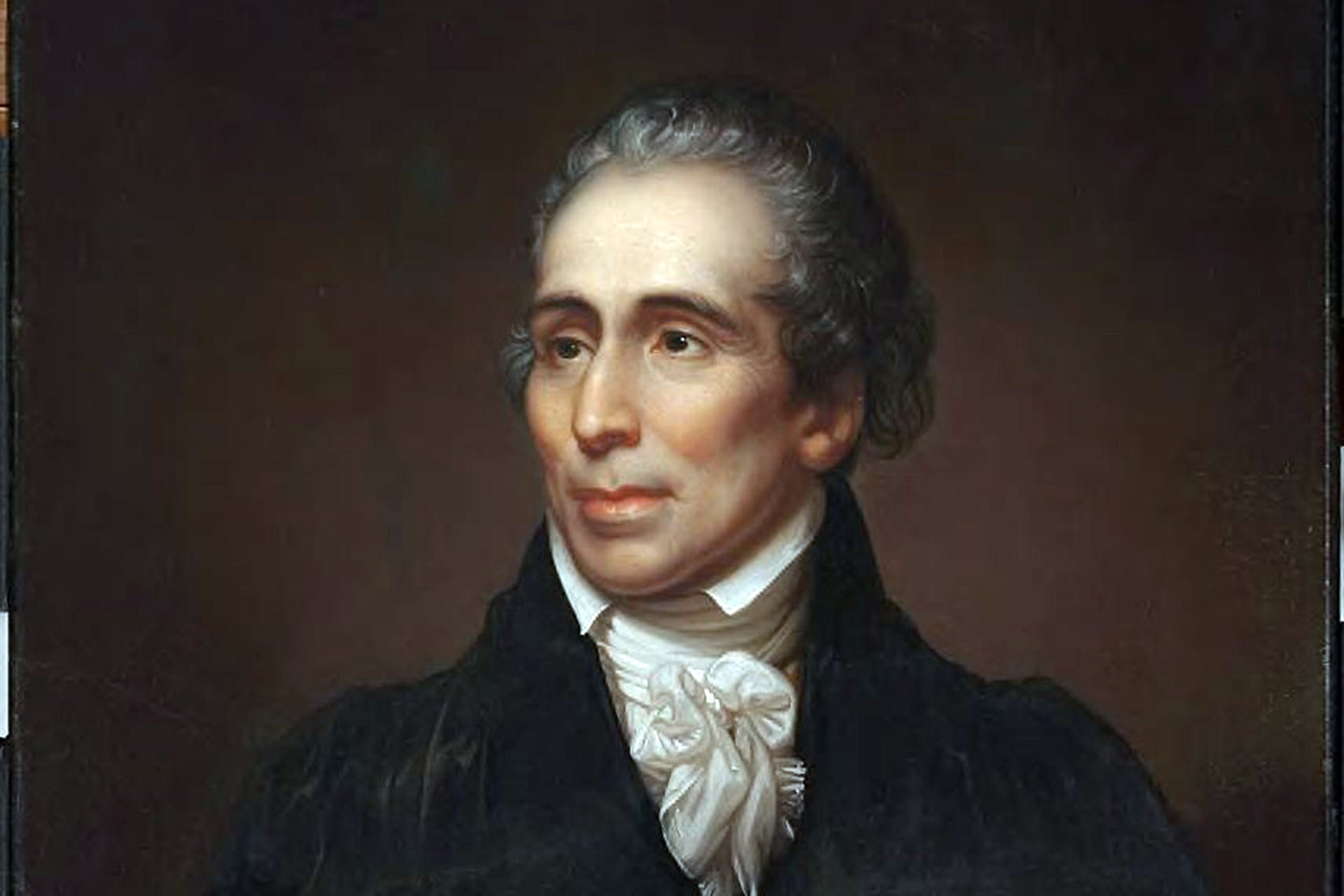
John Warren, an alumnus of Harvard, was instrumental in both the American Revolution and the establishment of Harvard Medical School. His older brother, Joseph Warren, a Colonial militia general, was killed at the Battle of Breeds Hill in June 1775. Initially devastated, John Warren was persuaded to assist the wounded in Cambridge during the Siege of Boston, rather than take up arms.
Warren was among a group of Harvard graduates who played significant roles in the American Revolution and the shaping of the nation. Throughout the conflict, Warren honed his medical skills, which later contributed to his founding of Harvard Medical School in 1782. His experiences in battlefield surgery were crucial to his medical practice in Boston.
Dominic Hall from Harvard’s Countway Library noted that wars often lead to medical advancements, especially in surgery, as they require responses to urgent, non-elective situations. John Adams believed that the seeds of American independence were sown in the early 1760s with speeches by Harvard Law alumnus James Otis Jr., long before the outbreak of fighting or the Declaration of Independence.
Other notable Harvard-affiliated figures in the Revolution included John Hancock and Samuel Adams. Joseph Warren, before his death, had been a key figure in anti-British activities, including the Boston Tea Party and the events leading up to the battles at Lexington and Concord.
After his brother’s death, John Warren joined the Colonial army as a surgeon during the Siege of Boston and later accompanied George Washington’s troops to New York, participating in pivotal moments such as the victory at Trenton. By 1781, he proposed the creation of a medical school during a meeting at the Green Dragon Tavern.
Warren’s medical career continued to flourish upon his return to Boston, where he became a vital addition to the city’s depleted medical community. His experiences during the war allowed him to innovate in medical practices and education. Warren’s efforts in founding the Massachusetts Medical Society and advocating for a medical school highlighted his commitment to advancing American medicine.
Scott Podolsky from Harvard Medical School emphasized how wartime provided opportunities for medical exchange and learning. Warren’s legacy includes the establishment of Harvard Medical School and the impact he had on his students and patients. As the war shifted south, Boston’s medical community began to focus on the future of American medicine, with Warren playing a central role in these developments.
Original Source: news.harvard.edu