






Disenchanted with grading AI-produced essays and scantron tests, I ventured into oral exams this finals season. The exams were part of lower-division history classes: one primarily for history majors, the other for students meeting general education requirements. Students used Google Calendar to select 30-minute slots, starting the day after the last class and ending just before the grade submission deadline. All 20 in-person slots, held in our classroom and my office, were quickly taken. Students distributed their appointments evenly, though weekends were less favored. After grades were submitted, I sought anonymous feedback through a Google Form, receiving 13 responses.
Most oral exams lasted 20 minutes, which seemed appropriate for the depth of discussion and energy required. Conducting 71 exams felt like a conversational boot camp, challenging my mental endurance and quick thinking. The most frustrating part was dealing with no-shows; six students missed their appointments, two rescheduled at the last minute, and two arrived without scheduling. Reminders and penalties for missed sessions appear necessary.
Grading in person was intense, with visible emotions from students ranging from grimaces to broad smiles. Initially, student nonverbal cues affected grades, but after numerous exams, I became accustomed to these reactions. Oral exams provided immediate feedback, allowing students to understand their strengths and areas for improvement before receiving their grades, which proved more effective than written comments.
Despite nerves, the fear of embarrassment did not seem to motivate additional studying. Some students, who needed only minimal effort to pass, admitted to not knowing topics covered in lectures. The oral format allowed for personalized exams, like when a student interested in Ancient Assyria analyzed primary sources despite it not being part of the curriculum.
As expected, students discussed the exams among themselves. To counteract this, I varied questions over the 12 days, keeping the conversations fresh. Of the 51 exams conducted on Zoom, only one student kept her camera off. Concerned about academic integrity, I gave her a unique, improvised exam focused on primary source analysis. After 20 minutes, I sometimes offered students the option to either accept their current grade or continue for a better one, with most opting to keep their grade.
Asking students, “What is a question you don’t know the answer to but wish you did?” was an effective tactic, prompting thoughtful pauses. This approach led to some exams feeling like press conferences, where I played a historical character. One student suggested a charades-style game as an additional teaching tool, highlighting the unexpected benefits of oral exams.
The flexible scheduling eliminated requests for alternative exam dates, and a sick student took his exam on Zoom without affecting others. Only one student required a disability accommodation. Some students appreciated the shorter duration of oral exams compared to traditional tests, and some found Zoom reduced their anxiety by allowing last-minute study.
Oral exams are more personal, ending classes with individual farewells. Unlike traditional exams, which leave students uncertain and teachers with more grading, oral exams provide a sense of completion. These exams also led to unplanned, engaging discussions, reminding me that universities thrive on stimulating conversations. I must credit AI for inadvertently guiding my exams toward a more enjoyable experience.
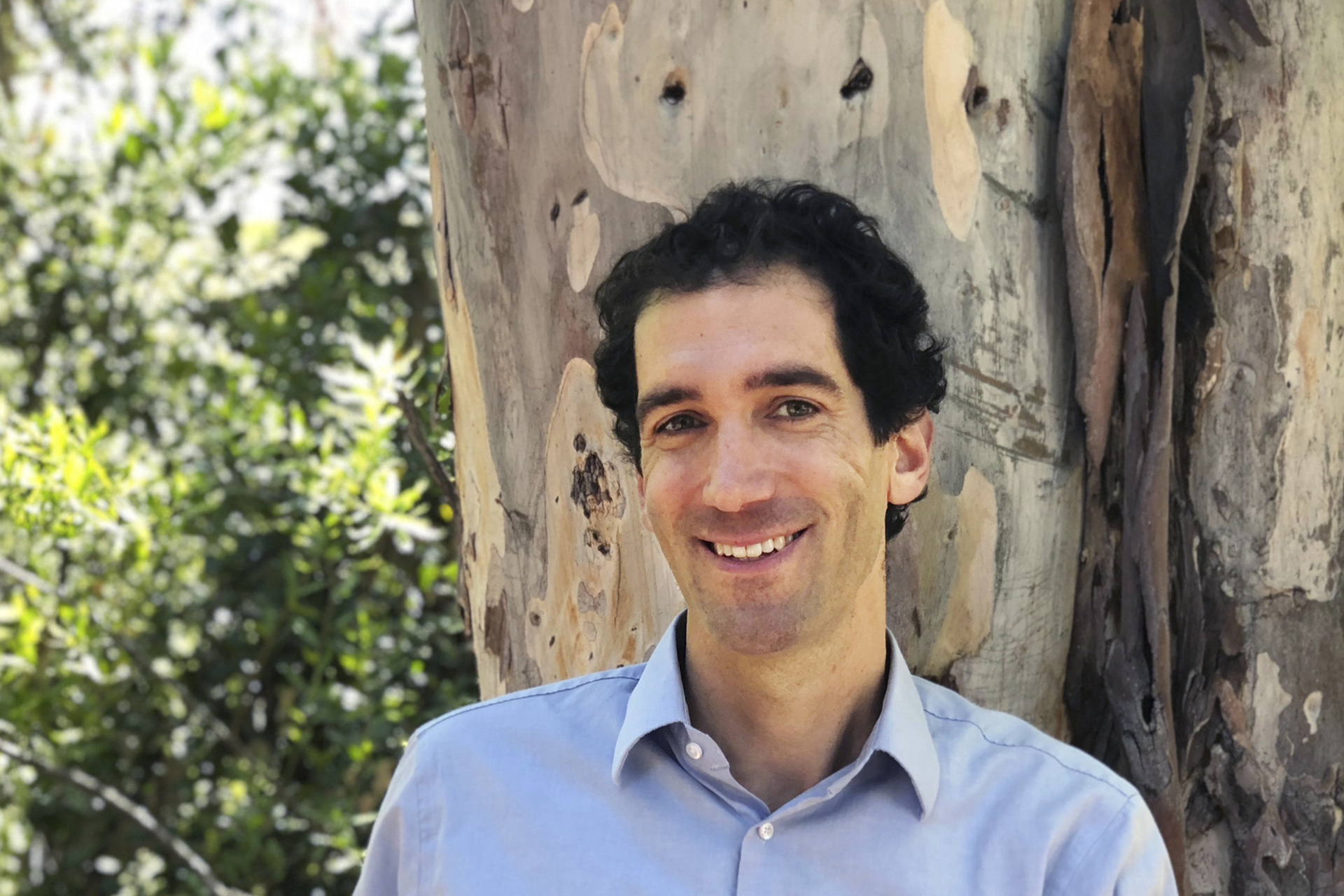
Jason Linn, a lecturer at Cal Poly’s History Department since 2013, has been teaching lower-division history courses. He began teaching in 2006 with the Princeton Review and earned his PhD in History from UC Santa Barbara in 2014. Linn specializes in Ancient History, particularly Rome, and has received multiple teaching awards.
Original Source: facultyfocus.com